
Rabi crops likely to be affected due to less rainfall in February
03-Feb-2025 06:18 PM
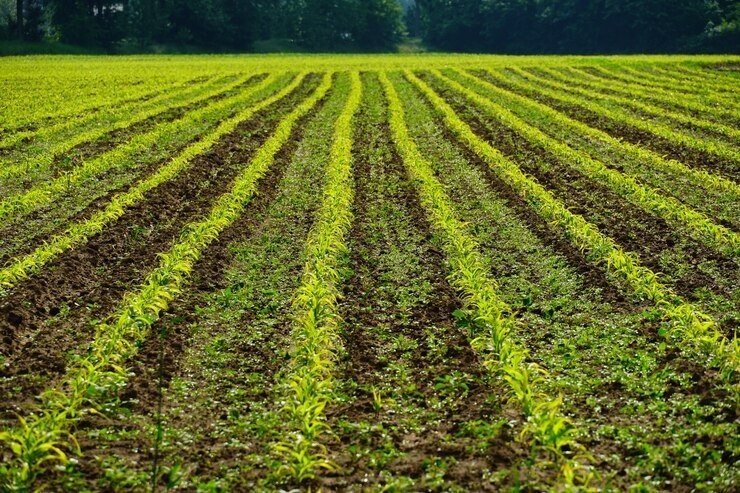
The potential decrease in rainfall during February could significantly impact Rabi crops like wheat, gram, and mustard, as highlighted in the report.
With La Nina’s weakened presence until April, the reduced rainfall and the onset of high temperatures during the flowering and grain formation stages could indeed harm these crops, especially wheat.
The early maturation of gram and mustard could further contribute to smaller grain sizes and lower yields.
The IMD's recommendation for light irrigation at regular intervals seems crucial to mitigate the adverse effects of the weather.
However, while Uttar Pradesh's cooler temperatures are expected to somewhat counterbalance the situation, the overall lack of sufficient rainfall remains a pressing concern for the agricultural sector.
The increased sowing area for wheat has created an optimistic outlook for production this season. But if the weather impacts yield, it could contribute to tighter wheat supply and higher prices, as seen with the 5% increase in wheat and flour prices.
The Union Agriculture Ministry's target of 1150 lakh tonnes of wheat for 2024-25 looks ambitious, but weather conditions might pose a challenge to achieving this.
It seems like this weather pattern could lead to tighter market conditions and further price pressures. Do you think this could lead to a longer-term impact on food prices or agricultural policies in India?