
The progress of Rabi crops in India is at risk due to high temperatures and insufficient rainfall since mid-October, except in the southern states.
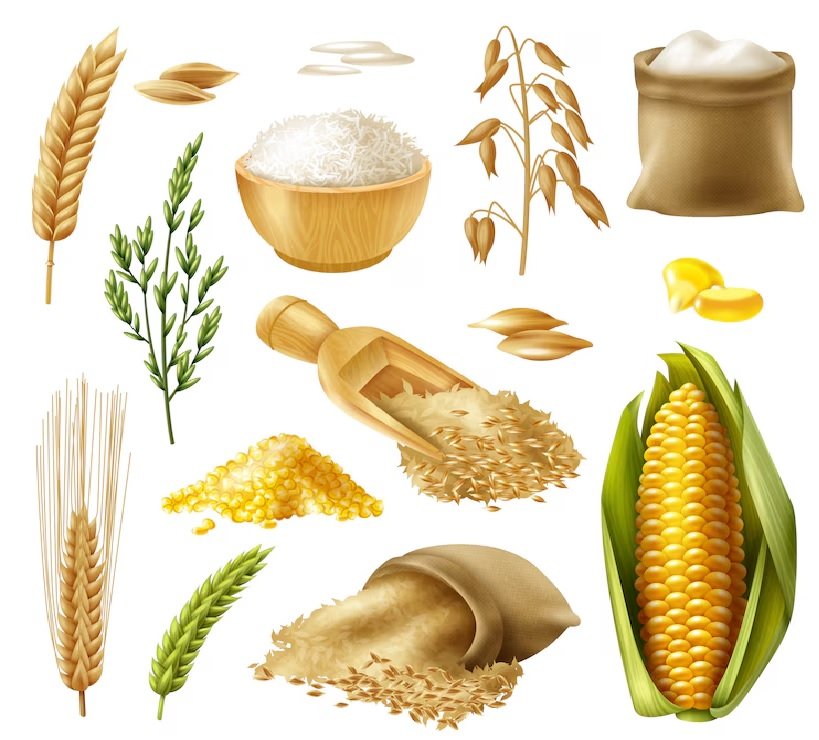
These crops, including wheat, barley, gram, lentils, peas, and mustard, are being sown across various regions, but their future is uncertain, particularly in areas dependent on rainfall.
The lack of moisture, exacerbated by high temperatures, is causing the soil to dry out, forcing farmers to seek additional irrigation. This extra water requirement will raise costs.
Though heat-resistant wheat varieties are being used in some areas, they have limits to tolerating the heat. If temperatures remain high without significant rain, crop yields, including wheat, could be impacted.
Wheat sowing in Punjab and Haryana has been delayed, which could reduce yields since these states are traditionally more productive.
However, sowing area for Rabi crops is gradually increasing, though large sowing areas do not guarantee better yields without favorable weather and protection from pests, diseases, and natural disasters.
The period from December to February is crucial for Rabi crops. The Meteorological Department has predicted higher-than-average temperatures during this time, with dense fog and mist likely to affect crop growth.
Additionally, the ongoing northeast monsoon and the impact of Cyclone Fenal in the southern states could damage crops in regions like Tamil Nadu, Pondicherry, Karnataka, Kerala, and Andhra Pradesh.
Meanwhile, northern states like Rajasthan, Punjab, Haryana, Uttar Pradesh, Gujarat, Maharashtra, and Bihar are in need of rain for better crop development.