
Relief to exporters due to the end of MEP on Basmati rice
16-Sep-2024 06:31 PM
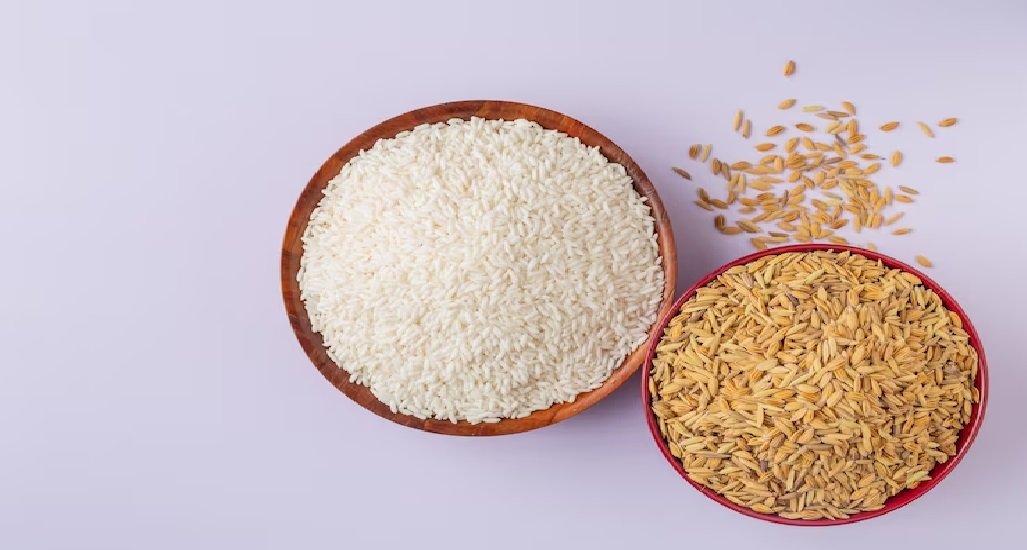
New Delhi. To successfully face the competition of Pakistan in the global export market, the Central Government has abolished the requirement of minimum export price (MEP) of $ 950 per tonne for premium quality Basmati rice.
This will provide great relief to Indian exporters who were demanding its removal for the last several months.
Apart from this, there is a good increase in the domestic production of Basmati rice during the current Kharif season, so the government does not feel the need to control its export.
The wholesale market price of Basmati paddy has come down significantly from last year, due to which there is a huge reduction in the producers. With the end of MEP on Basmati rice, the price of Basmati paddy is expected to strengthen, which will benefit the farmers.
Anyway, neither Minimum Support Price (MSP) is fixed for Basmati paddy nor do government agencies purchase it for buffer stock. The price of Basmati is mainly determined by market forces. The arrival of new consignments of Basmati rice is expected to start strongly from next month, while the supply of 1509 Pusa Basmati rice has already started in Uttar Pradesh.
In August 2023, the government had fixed a minimum export price (MEP) of $ 1200 per tonne for Basmati rice, but later reduced it to $ 950 per tonne. Now it has been completely abolished. Pakistan benefited the most from the implementation of MEP in India as it continued to export its Basmati rice at a lower price.
The interesting fact is that despite the MEP being in force, the export of Basmati rice from India increased to a peak level of over 52 lakh tonnes during the financial year 2023-24 (April-March). Its export from Pakistan also jumped to a new record level of $ 3.68 billion.
Exporters can now freely determine the export offer price of Basmati rice which may once again lead to robust exports from India in the current financial year 2024-25.