
Sale of government wheat in OMSS is necessary for price control
15-Nov-2024 05:16 PM
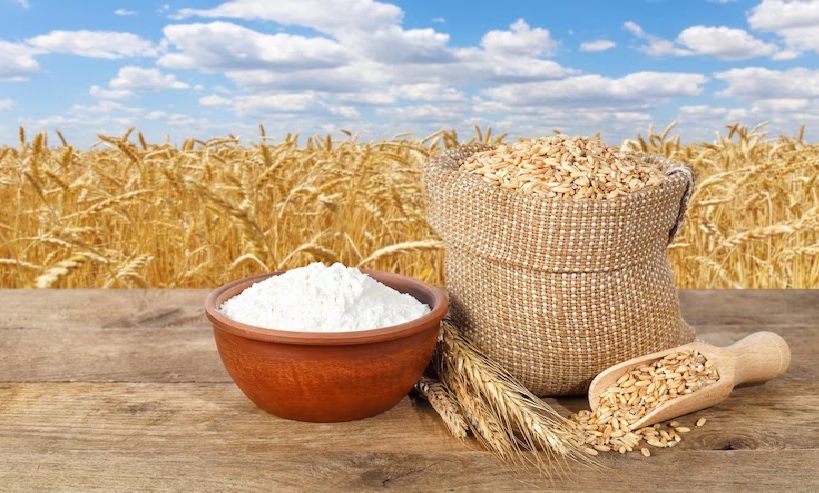
The government’s decision to postpone the sale of wheat under the Open Market Sale Scheme (OMSS) and instead allocate 35 lakh tonnes of wheat for the Public Distribution System (PDS) until March 2025 is aimed at controlling rising wheat prices.
The rationale behind this decision is to ensure that there is adequate supply of wheat at subsidized rates to beneficiaries while the market conditions stabilize.
However, this has led to a situation where there is limited wheat availability in the domestic markets, while demand remains high, especially from millers and processors.
These millers are now facing higher prices, which in turn is pushing up the cost of value-added wheat products, such as flour. For example, wheat prices in the wholesale market have surged by Rs 450-475 per quintal compared to last year, with the price in Delhi crossing Rs 3100 per quintal.
This is creating upward pressure on the prices of flour, which has risen by Rs 5-6 per kg over the past two months.
To mitigate this, the government has fixed a maximum retail price for flour sold under the Bharat brand at Rs 30 per kg, which is Rs 1.50 higher than the previous rate. This move aims to balance market conditions while protecting consumers from spiraling costs.
The government maintains that there is enough wheat stock in the market and that wheat supply is being managed well, with stock limits in place to prevent hoarding.
They also believe that the high wheat prices might encourage more farmers to plant wheat, which could lead to increased production in the coming season.
This would help stabilize prices and ensure that there is enough wheat available for both domestic consumption and government schemes.
Historically, when the government has sold wheat through the OMSS—like during the last financial year (July 2023 to February 2024), when 95 lakh tonnes were sold—it has helped keep wheat prices stable and provided relief to consumers.
However, with the new delay in OMSS sales, it remains to be seen how the market will adjust and whether further intervention will be necessary to avoid excessive price hikes.