
Supply of new crop and heavy imports are expected to put pressure on the prices of tur
01-Feb-2025 01:21 PM
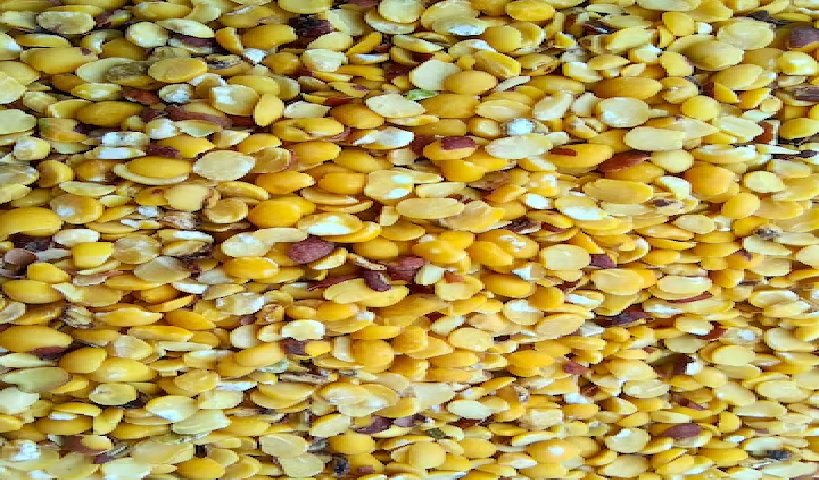
It looks like the supply of tur (Arhar) is increasing due to both domestic production and imports, which is contributing to the price drop.
The extended deadline for duty-free imports of tur, particularly from Myanmar, will help maintain a steady supply.
However, the reduced demand for tur, influenced by falling prices of other pulses like yellow peas and lentils, is pushing its price lower.
In the last couple of years, weaker domestic production has kept prices high, but with new crop arrivals and continued imports, the situation seems to be shifting.
The estimated domestic production of tur in 2024-25 could be higher than expected, which might further impact prices in the market.
It’s interesting to see how imports are shaping the domestic pulse market. Given that the government is offering a fixed minimum support price (MSP) for tur, it seems they are trying to balance supply and price stability.
However, the trend of decreasing interest in importing other pulses, like desi gram and lentils, shows how interconnected the pulse market is.
What do you think this means for consumers or the agricultural sector in the coming months?