
The Pulses Mission Faces Several Serious Challenges
31-Dec-2025 03:32 PM
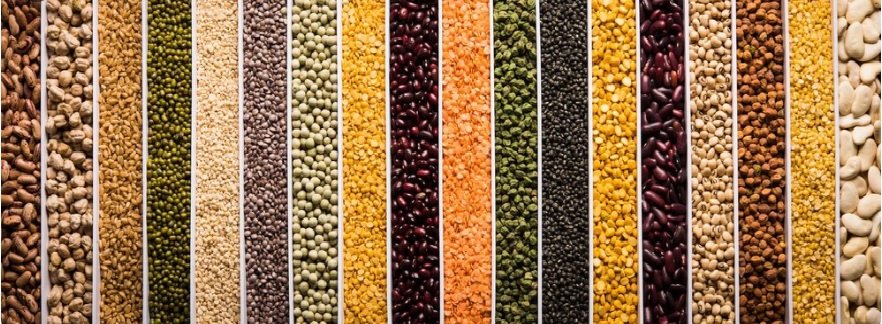
New Delhi. In principle, India remains the world's largest producer of pulses, but the reality is that domestic production is insufficient to meet domestic demand and needs, necessitating massive imports.
The government has launched the 'Pulses Mission' to increase pulse production and eliminate dependence on imports, but this mission will have to overcome numerous difficulties and challenges to achieve its goals.
Although the government is significantly increasing the Minimum Support Price (MSP) for the five major pulses produced during the Kharif and Rabi seasons – pigeon pea (tur), black gram, green gram, chickpea, and lentil – this is not considered sufficient to boost pulse production.
Moreover, government procurement of pulses is limited in quantity and duration, while pulses are available in the markets throughout the year.
The Pulses Mission will have to look beyond the MSP. The average yield of pulses in India is significantly lower than the global average, resulting in inadequate production despite cultivation over vast areas.
On the other hand, countries like Canada, Australia, Russia, and Myanmar achieve massive pulse production due to higher yields, even with smaller cultivated areas.
If India's yield rate reaches the level of these countries, the total annual production of pulses could increase to such a high level that not only would the need for imports be eliminated, but India could also begin large-scale exports.
The Pulses Mission will also focus on increasing the cultivated area. Pulses can be grown during the fallow period between the two seasons, and therefore, areas have been identified where farmers can be encouraged to cultivate pulses on vacant land.
Pulse crops are quite sensitive to weather conditions, so providing strong incentives to farmers is essential.