
Tur (Pigeon Pea) Market: Production Growth but Empty Pipeline
07-Dec-2024 06:34 PM
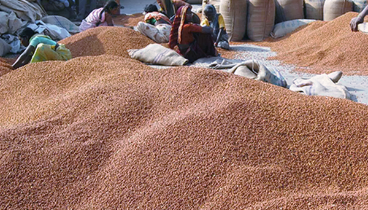
Tur (Pigeon Pea) Market: Production Growth but Empty Pipeline
The tur market this season shows positive production growth, though challenges persist. Here's a summary of key factors influencing the market:
1. Production and Consumption
-Production: Tur production is expected to increase this year due to expanded sowing areas, good rainfall, and favorable weather conditions. The estimated production is 35 lakh tons, up from 28 lakh tons last year. Minor losses in Karnataka's Gulbarga region are not expected to impact overall output significantly.
-Consumption: Consumption is estimated at 43 lakh tons, slightly higher than last year's 42 lakh tons, leaving a stock of around 4 lakh tons by the end of the season.
-Imports: Imports have risen to an estimated 12 lakh tons this year, up from 8 lakh tons last year.
-Stock Availability: The total availability of tur is expected to be 47.2 lakh tons, including imports, production, and stock, compared to 42.4 lakh tons last year.
2. Foreign Production and Exports
-Myanmar & Africa: Myanmar's tur production is estimated to be 4 lakh tons this year, down from 3.5 lakh tons last season. African countries have produced 8-9 lakh tons of tur. Increased exports from Myanmar and Africa have weakened stock levels in these regions.
-Pipeline Issues: With declining foreign production, the pipeline is running low, increasing reliance on imports in the future.
3. Imports
-Increased Imports: From April to October, imports are expected to be 8 lakh tons, significantly higher than 4.4 lakh tons last year. The total import for FY 2023-24 is estimated at 7.7 lakh tons, up from 8.95 lakh tons in FY 2022-23.
4. Domestic and International Prices
-Domestic Prices: The MSP is ₹7,550 per quintal, but tur in Gulbarga was sold at ₹10,158 per quintal, well above the MSP. However, increased imports have created downward pressure on prices, with Gulbarga prices falling from ₹11,000 to ₹9,250 per quintal.
-International Prices: Myanmar tur prices dropped from $1,010 per ton to $940, but saw a slight increase to $970 recently.
5. Market Situation
-Export and Stock: Exports from Myanmar and Africa have depleted their stocks. Myanmar’s sowing is complete, and production will likely reach 4 lakh tons, with imports expected to begin in February 2025.
-Domestic Crop: Harvesting has started in Karnataka, with Maharashtra set to begin by mid-December. Currently, the pipeline supply is low, and mills are awaiting fresh tur.
6. Government Decisions and Pea Imports
-Pea Imports: Increased pea imports have reduced tur consumption. Future government decisions on pea imports could affect tur demand.
-Price Pressure: While short-term prices might face pressure due to increased imports, long-term stability or price rise is expected due to low stocks, rising demand, and government policies.
Conclusion
The tur market is in a volatile state, with increased production and imports, but a low supply pipeline. Short-term pressure on prices is likely, while long-term stability or price increases are expected due to low stocks and rising demand. It is advisable to buy at lower prices in the short term.