
Turmeric Production Expected to Decline by 15-20 Percent
23-Dec-2025 06:00 PM
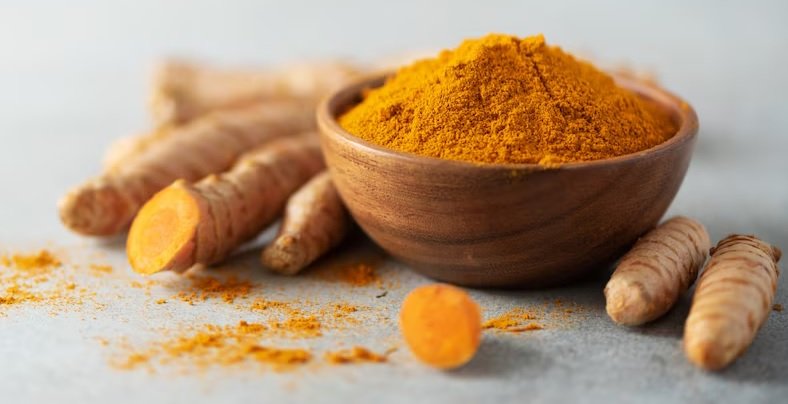
Mumbai: Unseasonal stormy rains in October and subsequent waterlogging in fields caused significant damage to the turmeric crop in the southern states, followed by pest and disease outbreaks. This is likely to affect the yield, production, and quality of turmeric.
According to trade analysts, natural calamities and pest and disease infestations have damaged approximately 15-20 percent of the turmeric crop, and quality issues are likely to arise, increasing concerns among exporters.
Meanwhile, the carryover stock of turmeric with producers and stockists has also decreased, which is supporting prices. According to a leading analyst, there was a carryover stock of about 20-22 lakh bags of turmeric in 2024, which has now reduced to around 15 lakh bags.
According to analysts, the complex supply and availability situation has strengthened turmeric prices, and a further increase of Rs. 500-700 per quintal is possible during the first fortnight of January.
If domestic and global export demand remains strong, turmeric prices may receive some additional support. However, a strong supply of new crop could lead to stability or a decline in the turmeric market.
It would not be surprising if turmeric prices fall by Rs. 500 to 1000 per quintal by the end of January due to increased pressure from the arrival of other crops.
Traditionally, the arrival of new turmeric crop begins in the Nizamabad market in January. New turmeric starts arriving in Erode and some markets in Maharashtra from February-March. Considering this,
there will be a limited decline in turmeric prices in January, but the futures price is likely to fall to between Rs. 15500-15700 per quintal in February-March. The price scenario will become clearer in February. The demand for turmeric may be partially affected by the high prices.