Home News
27-Aug-2026 12:57 PM
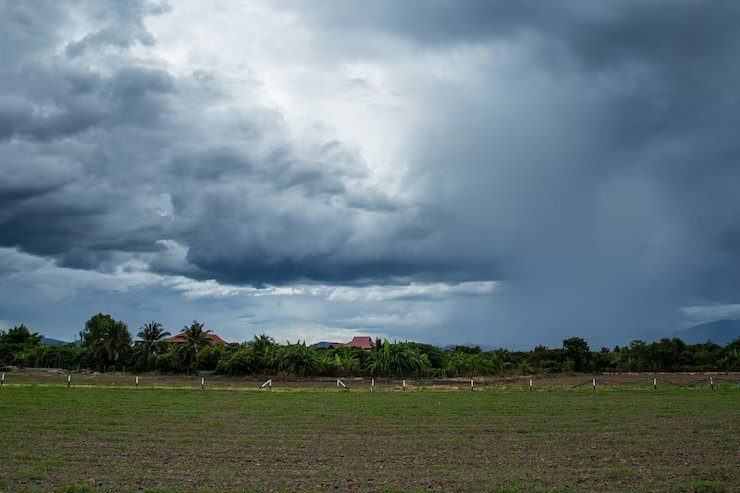
New Delhi. Kharif crop yields in India depend heavily on the performance of the southwest monsoon. This year, the monsoon has been somewhat weak and irregular due to the impact of El Niño. Rainfall across the country during the four-month period from June to September is likely to be about 15 percent below the long-term average. Rainfall distribution has also been uneven, raising concerns about potential risks to Kharif crops. Rainfall is projected to be deficient in September.
While Kharif crop sowing has been largely satisfactory and no major issues have been observed in its progress so far, concerns remain regarding the outlook ahead. Typically, a rainfall deficit threatens crops such as paddy, maize, cotton, soybean, *tur* (pigeon pea), and *urad* (black gram). A lack of rainfall is being observed in Maharashtra and Karnataka, as well as in Andhra Pradesh and Telangana—regions that are major producers of *tur*.
So far, the country has received about 13 percent less rainfall than normal. Agricultural experts believe that a rainfall deficit exceeding 10 percent increases the likelihood of Kharif crops being adversely affected. The area under paddy cultivation lags significantly behind last year's figures, whereas the acreage for *moong* (green gram) and soybean has increased. The month of September will be crucial.
