
Wheat Exports Unlikely to Resume Despite Record Production
14-Jun-2025 12:42 PM
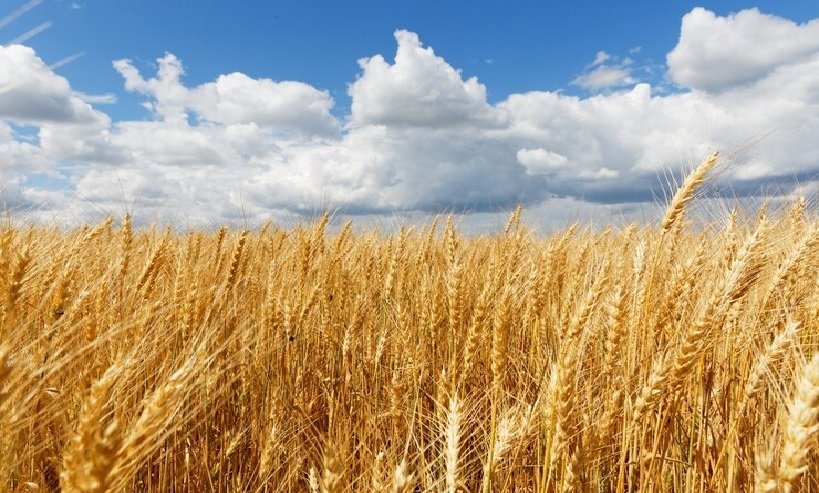
Although the Union Agriculture Ministry has estimated wheat production in the 2024–25 Rabi season to reach an all-time high of 1,154.10 lakh tonnes—about 2 percent higher than the 1,132.90 lakh tonnes recorded in 2023–24 and significantly above domestic demand—the government is not planning to lift the ban on commercial exports of wheat or its value-added products such as flour, maida, and semolina.
The government’s primary focus remains on ensuring food security for the country’s vast population. Every effort is being made to maintain stable domestic supply and availability, and to control inflationary trends in the wheat market. These efforts are likely to continue for the foreseeable future.
India had first imposed a ban on commercial wheat exports on May 13, 2022, followed by a ban on wheat-based products later that same year. Despite being the world’s second-largest producer and consumer of wheat after China, India has not traditionally been a consistent exporter of wheat. A temporary increase in exports occurred a few years ago due to surplus production and stocks, but this trend reversed when rising domestic prices and a sharp drop in government procurement led to the imposition of the export ban.
According to official data, government procurement for the central pool reached a record 433.44 lakh tonnes in the 2021 Rabi marketing season. However, it plummeted to just 187.92 lakh tonnes in 2022. In the following years, procurement recovered to 262 lakh tonnes in 2023 and 266 lakh tonnes in 2024, still falling short of targets and expectations. In 2025, procurement has crossed 300 lakh tonnes, which will support distribution through welfare schemes. Nevertheless, the government remains cautious and is unwilling to risk domestic supply stability by reopening exports.