
White rice exporters' crisis likely to increase due to obstruction in supply of new goods
23-Nov-2024 01:59 PM
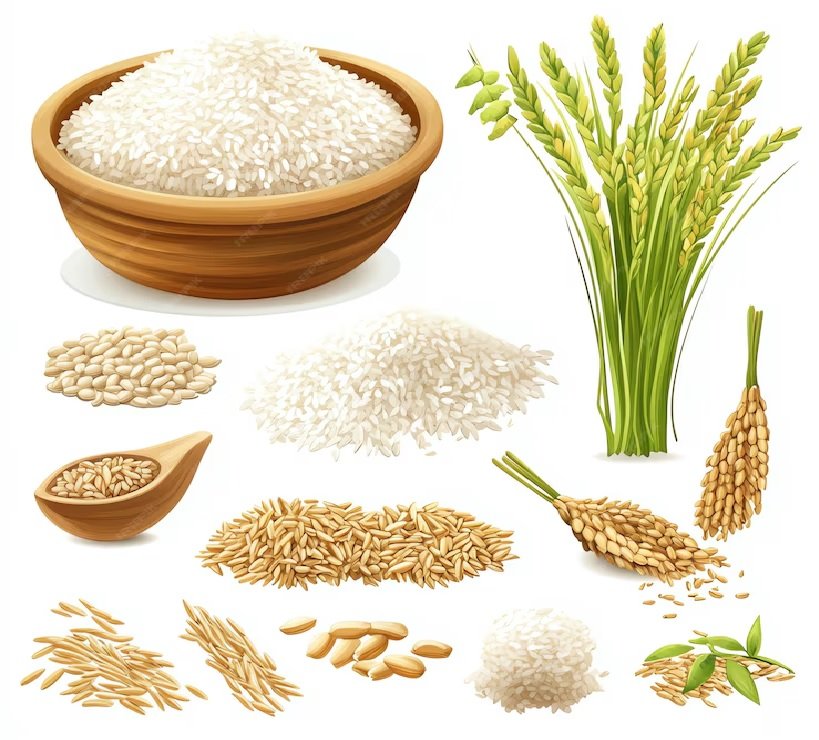
The ongoing crisis in the rice export sector in India, particularly concerning white rice, is exacerbated by several key issues impacting both supply and demand.
These issues are rooted in challenges faced by rice millers in states like Orissa and Chhattisgarh, where the demand for an increase in the charges for custom milling of paddy has been rising.
As a result, many rice millers have halted the processing of paddy, leading to disruptions in the supply chain. This is coupled with the rising domestic prices of rice, which is further complicating the situation for exporters.
The delay in the processing of paddy and the slow pace of custom milling are expected to result in financial losses for white rice exporters.
Shipments are being delayed, which not only impacts timely deliveries but also puts exporters at risk of losing contracts or market share.
Additionally, the weakening of the Indian rupee against the US dollar compounds the problem by making exports less competitive in terms of pricing.
Global importers were initially optimistic that the price of rice would drop with the expected increase in supply and availability of new rice crops.
However, these expectations have not been met, as the domestic supply is struggling to keep pace with the demand.
Consequently, foreign buyers are hesitant to commit to purchases at high prices, leading to weak demand for Indian rice in the global market.
Rice is primarily exported from states such as Chhattisgarh, Orissa, Telangana, Andhra Pradesh, Tamil Nadu, and West Bengal.
In these regions, rice millers are advocating for an increase in the government-mandated custom milling charge, arguing that the current rates are too low to sustain operations effectively. Until this issue is resolved, the processing of paddy may continue to face significant obstacles.
Another challenge is the slow pace at which the government is accepting and facilitating the supply of custom milled rice, making it difficult for millers to store rice.
There is also a demand for better storage support from the government to help manage the increasing rice stock.
In summary, the combination of rising domestic rice prices, supply chain disruptions, weak demand from global importers, and financial pressures on exporters due to slow milling and shipment delays could lead to a significant increase in the crisis facing white rice exporters in India.