
After Kharif, Urad production is likely to decrease in Rabi season as well
18-Dec-2024 01:43 PM
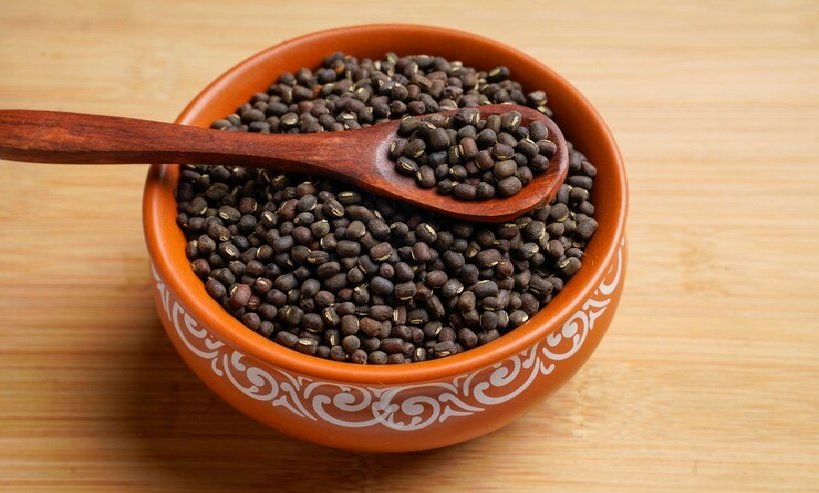
The production of Urad (black gram) is expected to face challenges in both the Kharif and Rabi seasons, with significant implications for the supply and price of the crop.
In the Kharif season of 2024, Urad sowing decreased by 1.87 lakh hectares, bringing the total sowing area to 30.73 lakh hectares, compared to 32.60 lakh hectares in 2023.
The crop was further affected by excessive rains, floods, and other weather-related issues, resulting in an expected decline in production.
The Union Agriculture Ministry's first advance estimate predicts that the Kharif Urad production will drop to 12.09 lakh tonnes, a reduction of 3.95 lakh tonnes from the 2023 figure of 16.04 lakh tonnes.
Looking ahead to the Rabi season, the sowing area for Urad is already behind by 67,000 hectares compared to last year, further compounding concerns about the crop.
In states like Tamil Nadu and Andhra Pradesh, heavy rains, waterlogging, floods, and pest outbreaks have already caused damage to the Urad crop, leading to a likelihood of reduced production.
If the decline in production is similar to the Kharif season (around 25%), the overall supply situation for Urad could become more critical, affecting availability and prices.
While Kharif Urad production decreased by about 25%, the quality of the crop was also compromised due to adverse weather conditions.
This has contributed to a market shift, with prices for higher-quality Urad rising. As a result, the price of Urad has increased to Rs 8100 per quintal, surpassing the government's minimum support price of Rs 7400 per quintal.
With government procurement almost closed due to higher market prices, this shift in pricing has led to a reduction in the government's intervention.
Additionally, Myanmar has raised its export offer price by 10-20 dollars per tonne for Urad shipments to India and Pakistan, further tightening the supply.
This situation highlights a potential supply shortage and increased costs for Urad, both domestically and internationally.
The overall supply-demand balance for Urad is under strain, and this may result in higher prices and reduced availability for consumers in the coming months.