
Agricultural production likely to be affected due to less snowfall and high temperature in Jammu and Kashmir
13-Feb-2025 03:36 PM
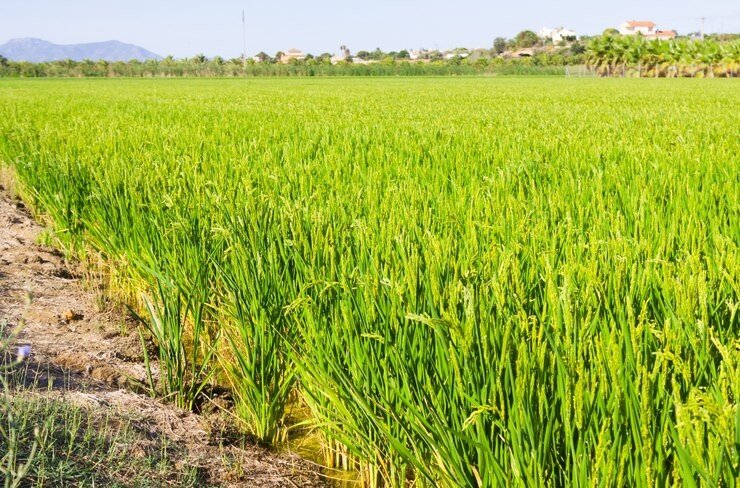
The situation you're describing in Jammu and Kashmir is concerning for several reasons, especially for the agricultural sector, which heavily depends on snowfall for irrigation. The region’s typical winter pattern has been disrupted by higher-than-normal temperatures and a drastic reduction in snowfall and rainfall.
The lack of snow and the reduced rainfall are likely to cause several long-term issues:
Water Scarcity for Irrigation: Snow acts as a natural reservoir, gradually releasing water into rivers and lakes as it melts. With little snow this winter, there will likely be a significant reduction in water availability for irrigation during the coming warmer months, affecting crops that depend on this seasonal water source.
Impact on Crops: Farmers may face difficulties in irrigating their fields, which can lead to lower agricultural yields, especially for crops that rely on consistent water levels in the rivers and lakes. This is likely to lead to a decrease in agricultural production in the region.
Drinking Water Crisis: As the water levels in rivers, lakes, and other natural reservoirs decrease due to insufficient snowfall, there’s also the potential for a drinking water crisis in the coming months. This can further strain local resources, especially in rural areas where access to alternative water sources is limited.
Temperature Changes: The unusually high temperatures, even during winter, are another sign of climate irregularities. Warmer temperatures accelerate snowmelt, but they also alter the natural ecosystem, potentially disrupting agriculture, biodiversity, and water cycles in the region.
Given these patterns, it's crucial for the agricultural and local authorities in Jammu and Kashmir to start preparing for these challenges. This could involve implementing water conservation measures, exploring alternative irrigation techniques, and improving water storage systems to help mitigate the effects of reduced snowfall and rainfall. Additionally, monitoring the region’s temperature patterns and weather forecasts will be essential for making informed decisions in the coming months.