
Australian Chickpea Exports Surge on Strong India–Pakistan Demand
11-Dec-2025 06:01 PM
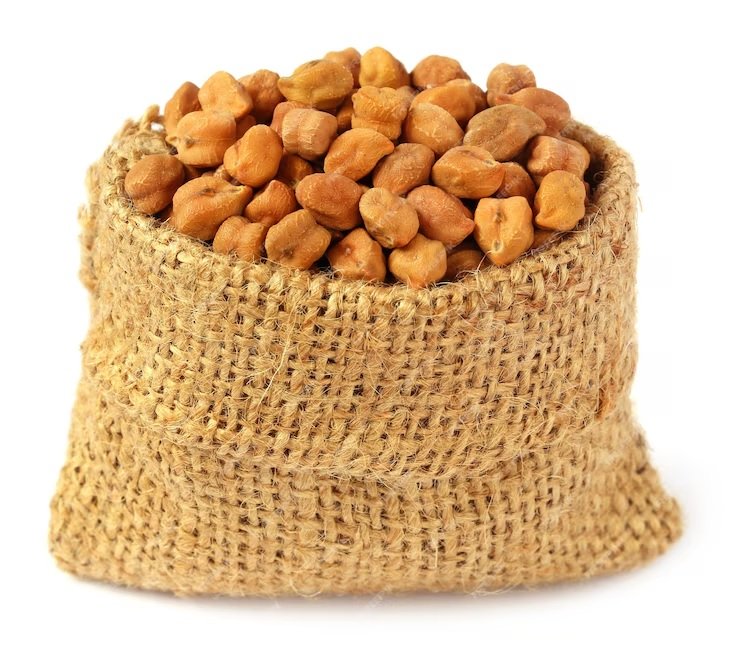
Brisbane. Driven by strong demand from Pakistan and India, Australian chickpea exports surged in October, reaching 119,000 tonnes, nearly four times the 27,000 tonnes shipped in September.
This followed a mere 15,000 tonnes exported in August. A total of 161,000 tonnes of chickpeas were exported from Australia during the August-October 2025 quarter.
According to a report by the government agency, the Australian Bureau of Statistics (ABS), India did not import chickpeas from Australia in August and September but made a significant purchase of 40,641 tonnes in October.
Exports of Australian chickpeas to Pakistan continued steadily, with 7,765 tonnes in August and 13,589 tonnes in September, before surging to 52,928 tonnes in October, an almost fourfold increase.
Thus, Pakistan imported a total of 74,285 tonnes of chickpeas from Australia during the August-October quarter, becoming a major buyer. In addition, 23,563 tonnes were shipped to Bangladesh, 6,600 tonnes to Nepal, and 8,050 tonnes to the United Arab Emirates (UAE) during the quarter under review.
Trade analysts say that the strong increase in Australian chickpea exports in October 2025 compared to August-September clearly indicates that the harvesting of the new crop has begun in the central and northern parts of Queensland,
and a bulk cargo of 38,500 tonnes of chickpeas has also been shipped from the port of Townsville to India and Pakistan. A significant increase in chickpea exports is also expected during November and December, although prices may be considerably lower compared to last year.
It is understood that there may be strong demand for chickpeas in Muslim-majority countries during the upcoming Ramadan period, while the export offer price for Australian produce remains competitive.
Despite a slight decrease in production compared to last year, chickpea production in Australia is still estimated to be at a very high level, which means it will have no significant difficulty meeting the demand from importing countries. The country primarily produces desi chickpeas.