
Better Sowing of Rabi Crops
13-Dec-2025 01:22 PM
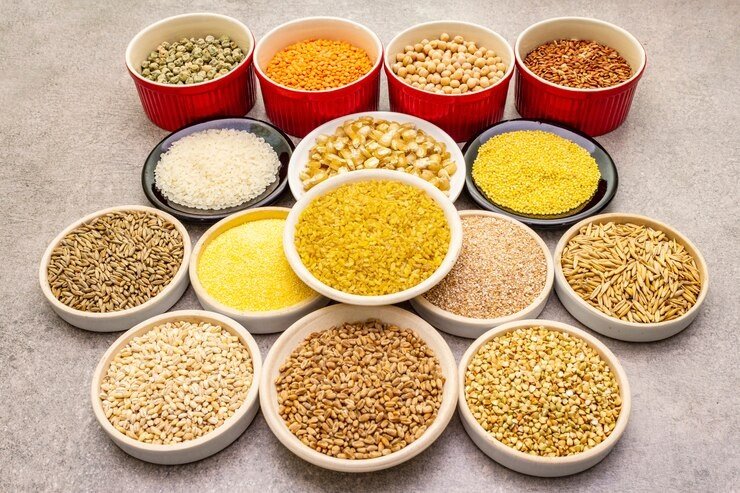
Thanks to good rainfall during and after the southwest monsoon, and also in October-November, the soil in the fields has sufficient moisture, which is greatly assisting Indian farmers in sowing Rabi crops this year. This is leading to a continuous increase in the area under cultivation.
Farmers are showing a greater inclination towards certain crops, mainly wheat, barley, mustard, and chickpeas. The area under paddy cultivation is also ahead of last year, but there are indications of a decline in the sowing of lentils, peas, horse gram, khesari, sorghum, and some oilseeds.
By last week, the total area under Rabi crops at the national level had increased to over 479 lakh hectares, which was about 27.90 lakh hectares more than the 451.12 lakh hectares sown during the same period last year.
Although the total area under pulses improved from 105.78 lakh hectares last year to 106.21 lakh hectares this year, this was mainly due to the increase in the area under chickpeas and black gram, as the area under other pulses decreased.
The area under coarse grains and oilseeds also increased to 36.28 lakh hectares and 84 lakh hectares respectively, but this was mainly due to the significant contribution of specific crops. As far as wheat is concerned, its cultivation area is increasing at the fastest pace.
It appears that the area under wheat cultivation will reach a new record level this year. The figures for the current week are awaited. Sowing of Rabi crops will continue.
Although most parts of the country have not received good rainfall for the past one and a half months, and the average daytime temperature in several states is around 25 degrees Celsius, which may reduce the moisture content in the soil in some areas, there is no major threat to the crops at present.
The groundwater level is normal, and there is sufficient water in dams, reservoirs, and other water sources.
This will ensure proper irrigation of crops. A reduction in the sown area may lead to a decrease in the production of some crops.
However, the weather in January and February is crucial for Rabi crops, so it is essential to pay close attention to it.