
Cheaper Meals as Pulse and Vegetable Prices Fall
11-Dec-2025 07:33 PM
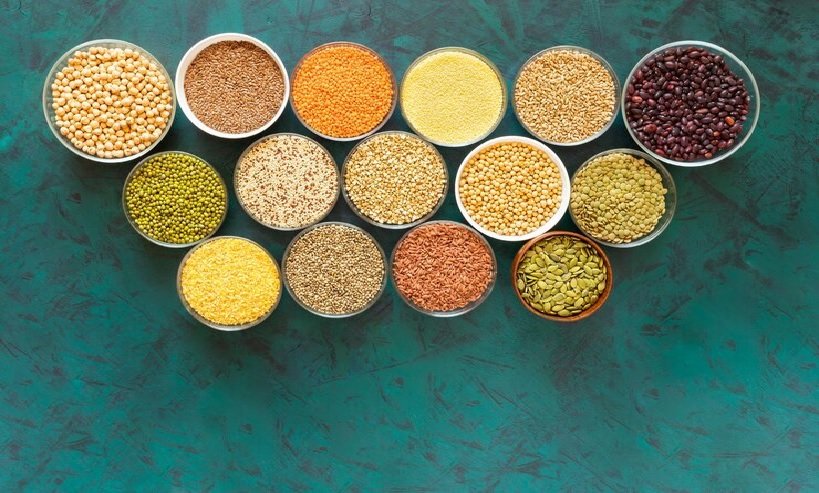
New Delhi. The latest food plate index from a leading rating agency shows that the cost of preparing a typical Indian meal at home decreased by about 13 percent in November, mainly due to lower prices of pulses and vegetables.
This provided significant relief to the average consumer's kitchen budget and also indicates a profound structural change in crop production and trade flows.
The pulse market has been experiencing a bearish trend for the past few months, and the wholesale market prices of almost all major pulses have fallen below the Minimum Support Price (MSP).
November saw a strong influx of new arrivals of Kharif pulses, mainly urad and moong-moth. In addition, large quantities of cheaper pulses continued to be imported from abroad.
Better production in major exporting countries and weak demand in importing countries led to a decline in the international prices of tur, urad, masoor, desi chana, and yellow peas.
During November 2025, there was not much fluctuation in the prices of rice, flour, and spices, and edible oil prices also remained largely stable.
Similarly, other food items, including sugar, remained within a fixed price range. This led to a significant drop in food inflation and made meals cheaper. In November 2024, the prices of most food products were relatively higher.
Along with major food commodities, the prices of potatoes, onions, tomatoes, and other green vegetables remained soft or stable in November, while the price of maize fell considerably.
The cheaper meals provided some relief to the common people from the inflation experienced in October.