
The report from the Indian Institutes of Technology highlights the alarming risks of both floods and droughts in various districts across India due to climate change and global warming. The impacts of these environmental shifts are particularly concerning for the country’s agriculture, which is still heavily dependent on monsoon rains.
Key points from the report include:
Flood Risks:
- The report indicates that 51 districts in India face a very high risk of flooding, while 118 districts have a high risk. These areas include parts of states like Assam, Bihar, Uttar Pradesh, West Bengal, Gujarat, Orissa, and Jammu and Kashmir.
Drought Risks:
- Similarly, 91 districts are at a very high risk of drought, while 188 districts are at a high risk. States like Bihar, Jharkhand, Orissa, and Maharashtra are particularly vulnerable.
Agricultural Implications:
- The agricultural sector, which remains heavily reliant on rainfall, faces significant challenges. The irregularity in the monsoon due to climate change could result in flooding in some areas and drought in others, leading to a severe disruption in food production.
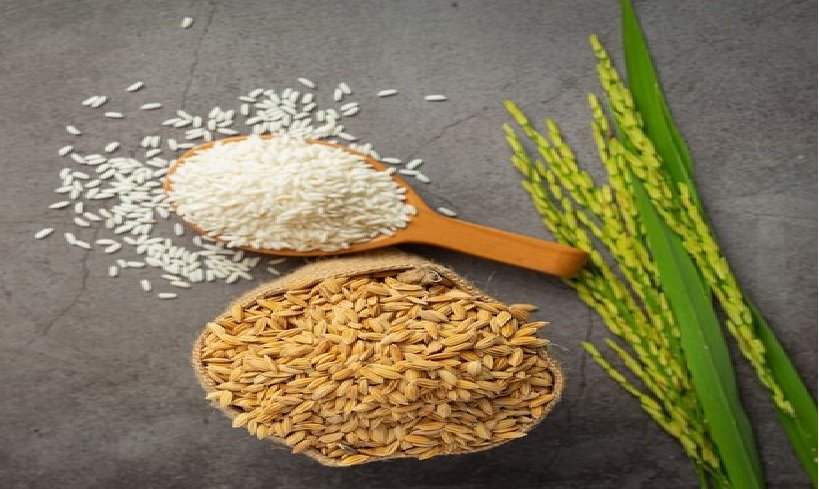
- Paddy is largely produced in the eastern states, while pulses and oilseeds are grown in the western regions. Disruptions in these areas could jeopardize food security and agricultural output in the country.
Urgency for Action:
- Immediate and effective precautionary measures are needed to address these risks, particularly in vulnerable districts. This may include better flood management systems, drought-resistant agricultural practices, and improved water management.
This report underscores the urgent need for adaptation strategies to protect both the agricultural sector and food security in India, ensuring resilience against climate-induced risks.