
Crop Damage in Andhra Pradesh Due to Severe Rainfall Deficit
16-Sep-2026 11:31 AM
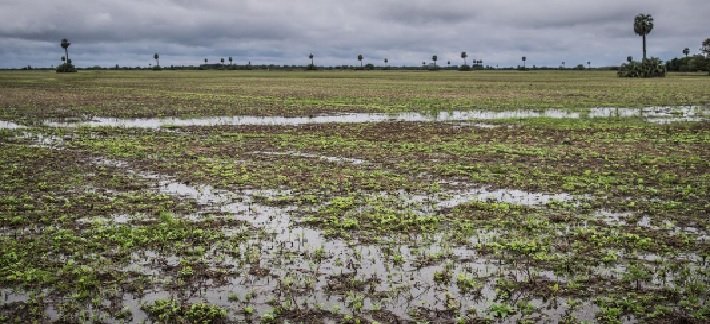
Vijayawada: Andhra Pradesh, a key agricultural state in South India, is currently grappling with a severe drought crisis due to rainfall significantly below the normal average during the southwest monsoon season. A critical lack of soil moisture across various parts of the state has put Kharif crops at risk of withering.
While the sowing of Kharif crops in Andhra Pradesh proceeded more or less normally, the lack of rainfall is significantly hindering their progress. Crops such as paddy, maize, cotton, and *tur* (pigeon pea) are cultivated on a large scale during the Kharif season; however, the acreage under paddy has shrunk considerably due to the rainfall deficit.
During the June–August quarter, Andhra Pradesh received only 197.6 mm of rainfall, which is far less than half of the long-term average of 424.10 mm. The sharp 53.4 percent drop in rainfall, combined with low water levels in dams and reservoirs, prevented the irrigation of Kharif crops. This has raised concerns about reduced production and a decline in farmers' income. The rainfall deficit relative to the normal average stood at 25.2 percent in June, rose to 67.9 percent in July, and remained high at 55.9 percent in August.
A severe rainfall deficit is being observed in the Rayalaseema region and southern coastal Andhra Pradesh, whereas rainfall conditions have been relatively better in some areas of the northern coastal region. The area under Kharif crop cultivation in Andhra Pradesh lags behind both the previous year's figures and the five-year average, and the crops are not developing adequately.