
Disagreement Over the Issue of Abolishing Import Duty on Cotton
30-Apr-2026 05:02 PM
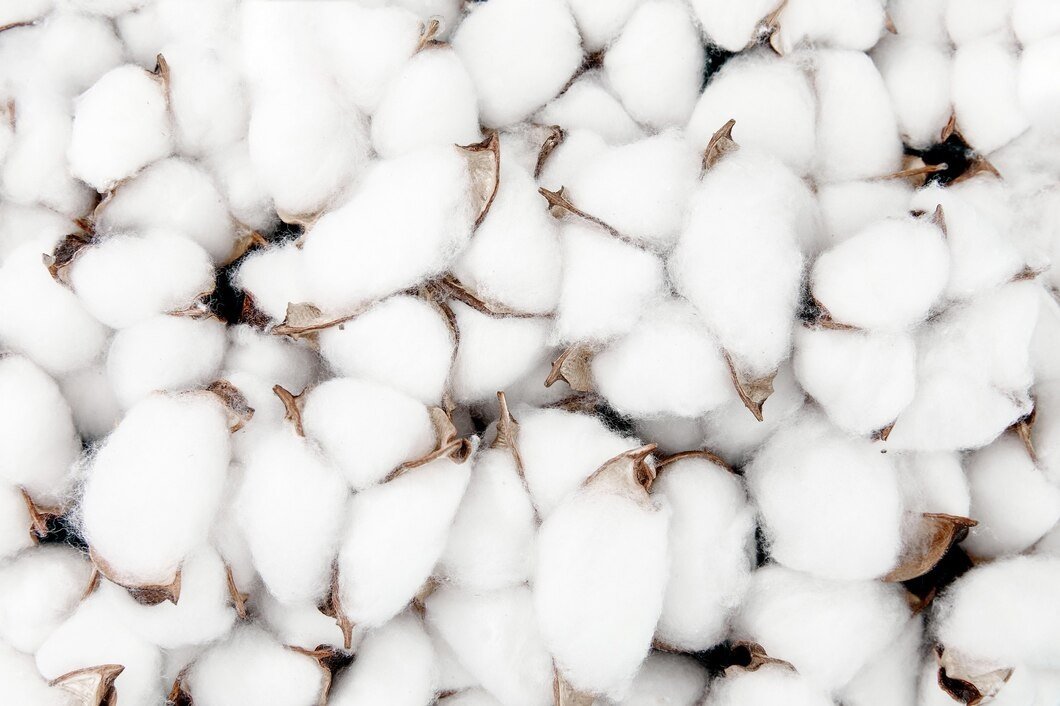
New Delhi: Although, in light of the ongoing crisis in West Asia—which has led to elevated global market prices and rising shipping costs—the Central Government is planning to reduce or abolish the existing import duty on cotton and is currently holding consultations with millers and representatives of the textile industry regarding this move, a section of traders remains opposed to this plan. They argue that abolishing the import duty on cotton at this juncture would be ill-advised, as it would exert downward pressure on domestic prices and result in financial losses for producers.
Cotton sowing for the Kharif season typically gains momentum starting in June—a period that is now fast approaching. If the import duty on cotton were to be reduced to zero prior to this, farmers would lack the necessary incentive to expand the acreage under cotton cultivation.
Producers currently hold a massive stock of approximately 4 million bales (each weighing 170 kg) of cotton, which they have been withholding in the hope of future price appreciation and better returns. If duty-free imports cause domestic cotton prices to plummet, farmers could be compelled to sell their produce at significantly lower rates.
On the previous occasion when the import duty on cotton was slashed, farmers were forced to sell their produce at prices below the Minimum Support Price (MSP). At that time, too, farmers held a stock of approximately 3 million bales of cotton.
Currently, the government agency—the Cotton Corporation of India (CCI)—also possesses a substantial stock of cotton, for the sale of which vigorous efforts are currently underway. The harvesting and processing of the new cotton crop are expected to gain momentum starting in October, although arrivals typically commence as early as September in the states of Punjab, Haryana, and Rajasthan.