Home News
03-Oct-2026 10:54 AM
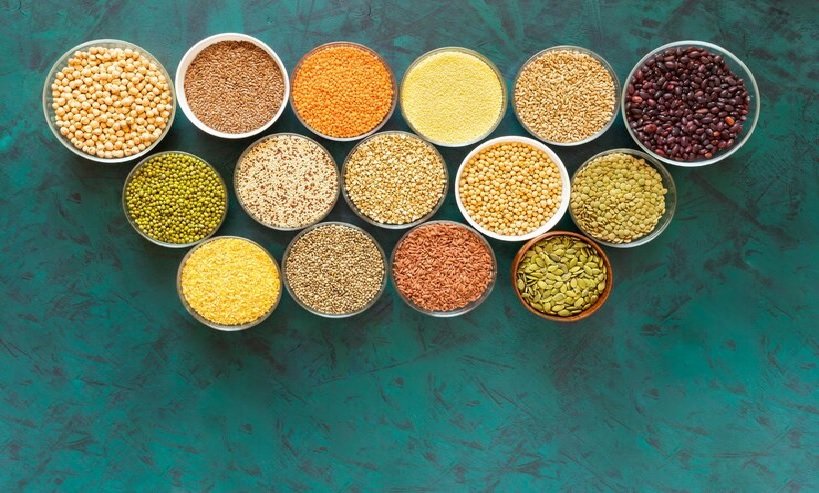
After tightening the screws on sugar millers and dealers and cutting import duties on edible oils, the government is likely to shift its focus to the pulses market; signs of rising prices are emerging due to fears of a decline in domestic production. Meanwhile, reports suggest the government may soon launch weekly e-auctions of wheat from its stocks under the Open Market Sale Scheme (OMSS).
As for food inflation, the trend line is steadily rising, causing hardship for the general public and concern for the government. Although the total sowing area for Kharif pulse crops this season exceeded last year's figure—rising from 118.26 lakh hectares to 120.62 lakh hectares—unfavorable weather and monsoon conditions raise the likelihood of a drop in production.
Specifically, the production of Arhar (Tur) is expected to fall by approximately 20 percent, settling around 28 lakh tonnes. Karnataka and Maharashtra, the two leading producers of Tur, are grappling with severe drought this season. Consequently, the Urad and Moong crops in these regions are also reported to be weak. The condition of pulse crops in other states remains relatively normal, though there are some issues in Telangana.
Compared to last year, production of Tur in Africa, Desi Chana (gram) in Australia, and lentils and peas in Canada is expected to decline. While Canada holds substantial carry-over stocks of peas and lentils, Australia and Africa have very limited stocks of Chana and Tur, respectively. Tur production in Myanmar is expected to improve slightly, and yields of Urad are also likely to be better in both Myanmar and Brazil.
To boost the supply and availability of pulses in the domestic market and curb any potential price surge, the government may decide to reduce import duties on gram, masoor (lentils), and yellow peas, similar to the measures taken for edible oils. The demand for gram rises significantly during the festive season.
