
Government Focuses on Tur
06-Dec-2025 11:10 AM
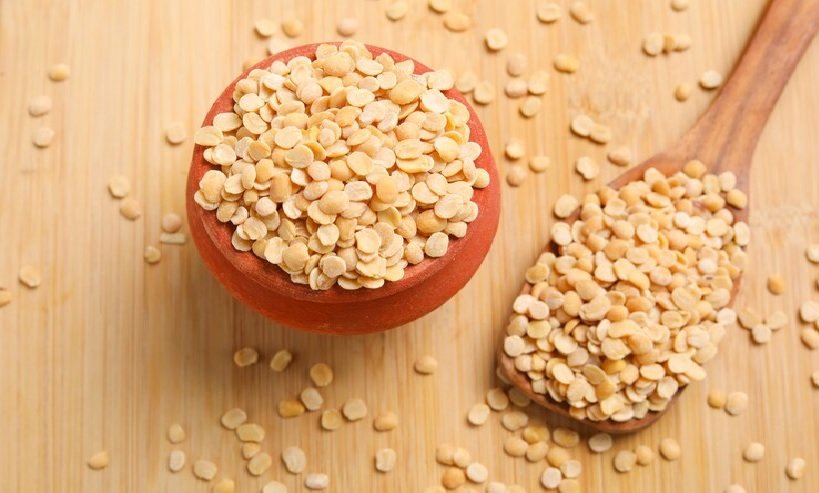
New arrivals of pigeon pea (tuvar), the most important pulse crop of the Kharif season, have begun in some areas and are expected to continue steadily in the coming months. Duty-free imports from abroad are also continuing in significant quantities.
As a result, the domestic supply and availability of tur (pigeon pea) has remained relatively stable, and prices are also under pressure.
If this situation persists, tur producers could suffer significant financial losses. The government is aware of this reality and therefore does not want to delay its procurement.
This time, preparations are underway to begin government procurement of tur (pigeon pea) as early as January.
The minimum support price for tur has been increased by ₹450 from ₹7550 per quintal for the 2024-25 season to ₹8000 per quintal for the 2025-26 season, despite wholesale market prices being significantly lower.
It is worth noting that the Central Government has already pledged to procure the entire marketable quantity of tur, urad, and masoor. This means that any arrival of tur of average quality at government procurement centers will be purchased at the minimum support price.
The government currently has approximately 500,000 tons of tur, while a buffer stock of at least 100,000 tons is required. Given this, the government will initially seek to procure 500,000 tons of tur and may subsequently attempt to increase this amount.
In the 2024-25 season, approximately 600,000 tons of tur were procured by government agencies, providing significant relief to farmers.
For the 2025-26 season, the government has initially estimated domestic tur production at 3.6 million tons, which is significantly higher than the estimates of the industry and trade sector.
This year, various natural calamities have caused significant damage to the pigeon pea crop in Maharashtra, Karnataka, Gujarat, Madhya Pradesh, and other major producing states.
However, due to the large amount of cheap imports from abroad, there is no positive psychological impact on the domestic market price.
There is hope for some improvement in the market price of pigeon pea in January when government agencies like NAFED and NCCF begin vigorously purchasing pigeon pea from farmers at the Minimum Support Price (MSP).