
Industry Deals a Severe Blow by Sudden Ban on Sugar Exports
15-May-2026 01:08 PM
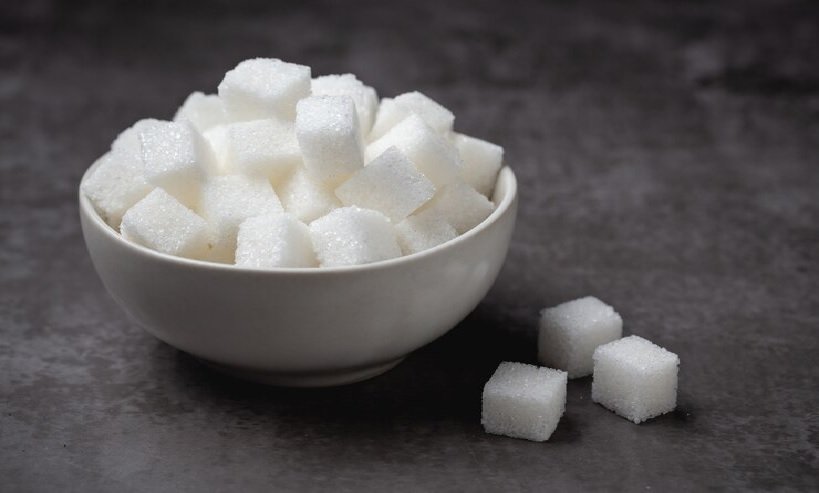
Mumbai: The domestic industry has been left stunned and bewildered by the Central Government's announcement of a sudden ban on sugar exports until September 30, 2026. It was only in February that the government had decided to increase the sugar export quota by 500,000 tonnes; yet, by mid-May—well ahead of schedule—it had already taken the decision to halt all exports.
Some observers suggest that the government decided to stop sugar exports with the objective of ensuring smooth supply and availability within the domestic market, as well as curbing potential spikes in prices. Conversely, other analysts have reacted sharply to the government's decision, arguing that it could adversely affect the interests of sugarcane growers in the future.
Some experts have even gone so far as to suggest that, despite imposing the export ban, the government may not succeed in achieving its intended objectives. Over the past few weeks, the ex-factory price of sugar has risen from ₹3,500–₹3,600 per quintal to ₹3,800–₹4,000 per quintal, and an immediate decline in these prices appears unlikely.
Domestic sugar production during the current 2025–26 marketing season is estimated to be significantly lower than expected, and the industry is unlikely to be left with a substantial carry-over stock by the end of the season. The outlook for production in the upcoming season also appears uncertain.
For the entire 2025–26 marketing season (October–September), the gross production of sugar (for edible purposes) is projected to be limited to 27.95 million tonnes; this stands in contrast to earlier estimates, which had projected production at 30.95 million tonnes initially, and subsequently at 29 million tonnes.
By the end of the marketing season—specifically on September 30, 2026—the industry's carry-over stock of sugar is estimated to dwindle to 3.8–3.9 million tonnes, a figure significantly lower than the 5 million tonnes estimated for the previous year. Export restrictions could offer an opportunity to save approximately 1.2 to 1.5 million tonnes of sugar; however, it will be interesting to see to what extent this improves the overall availability situation.