
Water Levels in Dams and Reservoirs Drop Below 35 Percent
15-May-2026 11:18 AM
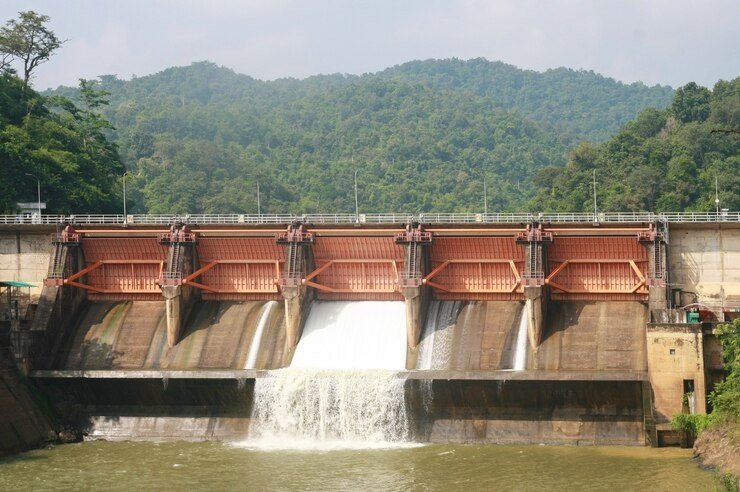
New Delhi: Due to a lack of rainfall, rising temperatures, and regular water releases, the water stock in 166 major dams and reservoirs across the country has dropped to below 35 percent of their total storage capacity. This is being viewed as a warning sign for the agricultural sector, as it could impact the sowing and progress of Kharif crops.
The latest weekly data from the Central Water Commission reveals that the total water stock in these 166 major dams and reservoirs has declined to 63,232 Billion Cubic Meters (BCM), which represents 34.45 percent of their total storage capacity of 183.565 BCM. In more than 60 percent of these reservoirs, water levels currently stand below the 40 percent mark.
Nevertheless, this water level remains 13 percent higher than that recorded during the same period last year, and 24 percent higher than the ten-year average.
Data from the India Meteorological Department (IMD) indicates that between March 1 and May 13 of the current year, 27 percent of the country's 725 districts received either no rainfall or only negligible amounts. Prior to this, during January and February 2026, at least 70 percent of the country experienced a severe rainfall deficit.
Consequently, water levels in the dams have been steadily declining. While the formal sowing of Kharif crops is set to commence next month, pre-monsoon rainfall has been lower than normal. There is a lack of moisture in the soil, and farmers are now relying entirely on the rains brought by the Southwest Monsoon.