
Less Rainfall and Higher Temperatures Expected in February
03-Feb-2026 05:17 PM
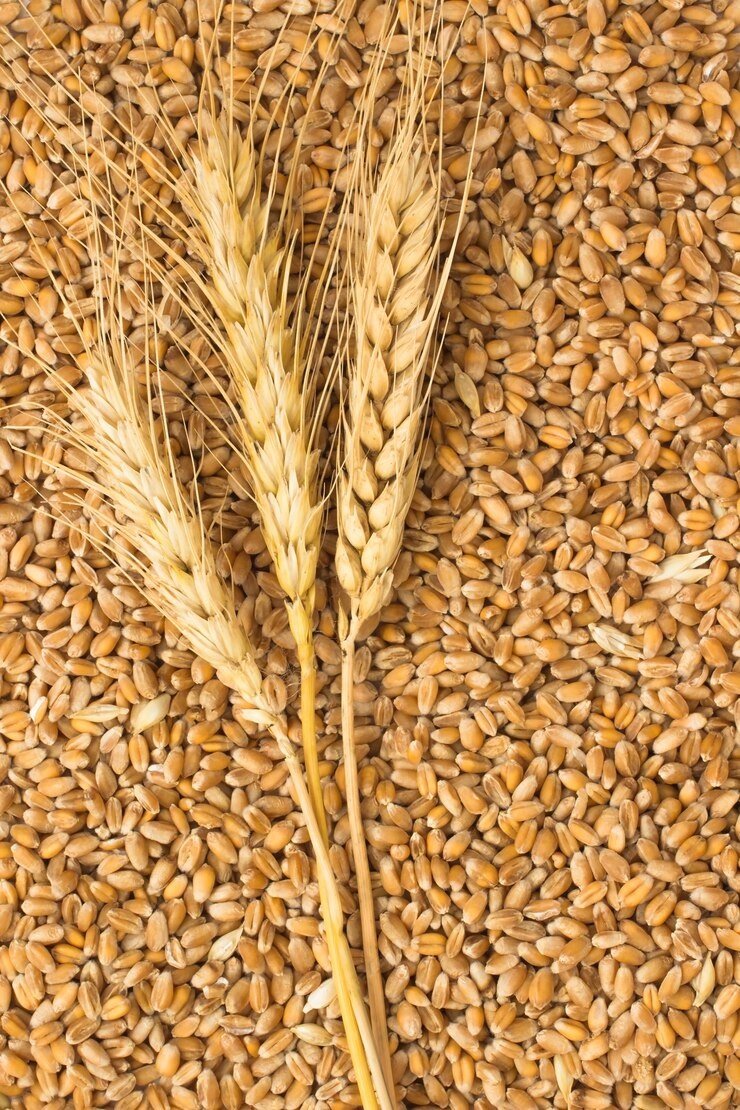
New Delhi. During February, most Rabi crops are in the flowering and grain formation stages, and some early-sown crops are in the grain ripening stage.
Therefore, the weather during this month is crucial. According to the Meteorological Department, this year, during February, maximum and minimum temperatures are likely to be above average in most parts of the country, and rainfall is expected to be below average. A positive development is that the El Niño weather cycle is projected to remain neutral until July 2026.
According to the Meteorological Department, northwestern India will experience less rainfall and higher temperatures during the current month.
This could affect the health of Rabi crops. However, the entire region, along with adjoining central India, experienced a shorter period of cold waves, although the weather remained cool.
Dense fog and haze were also not observed for extended periods this time. The good rainfall in the northwestern states during the last week of January has benefited the Rabi crops.
An important fact is that more than 80 percent of the area in northern India is cultivated with new and improved varieties of wheat that have a greater capacity to withstand adverse weather and climate conditions.
Moreover, states like Punjab, Haryana, Rajasthan, Uttar Pradesh, Madhya Pradesh, Bihar, and Gujarat have good irrigation facilities. More than 90 percent of the country's wheat is produced in these states.
The chickpea and mustard crops are currently in a satisfactory condition. The impact of rising temperatures and reduced rainfall on Rabi crops will only be visible after mid-February.