
Need to Strengthen Agriculture Sector Amid Trade War and Changing Tariff Policies
11-Apr-2025 01:40 PM
New Delhi: The US administration’s new tariff strategy has sent shockwaves through the global trade landscape, prompting countries like India to re-evaluate and adapt their agricultural trade policies.
While the US has postponed full implementation of its tariff policy for 90 days, it is actively engaging in negotiations with various countries, including India, to secure favorable trade terms.
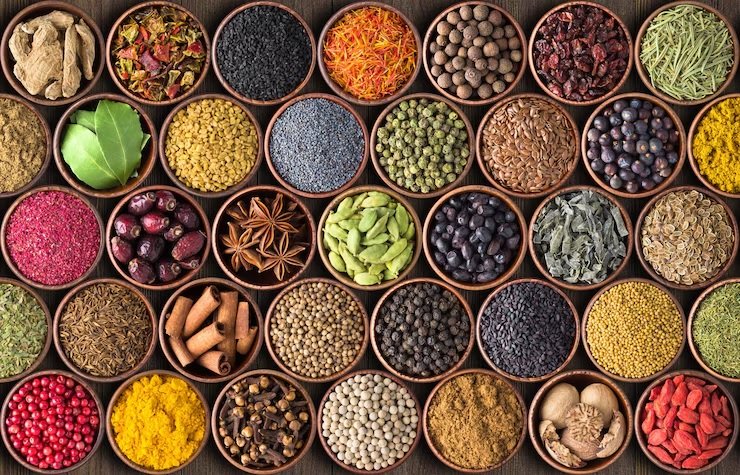
India, once a major importer of agricultural goods, is now a leading exporter of rice, sugar, spices, cotton, and fruits and vegetables. However, the evolving global trade environment poses new challenges.
There is concern that China, facing restrictions in the US market, may increase its exports to India, raising fears of dumping and increased competition.
Meanwhile, the US is pressuring India to allow local production of its soybean, maize, and ethanol, which could impact domestic producers.
Other countries such as Bangladesh, Vietnam, Brazil, and Cambodia are negotiating reduced US import duties, which may give them an edge over India in global markets.
With growing competition and high production costs due to superior quality, Indian exports could face setbacks.
Experts suggest that India must now adopt a pragmatic, unified, and future-ready agricultural trade policy to secure its position in an increasingly competitive global arena.