Home News
19-Nov-2026 12:33 PM
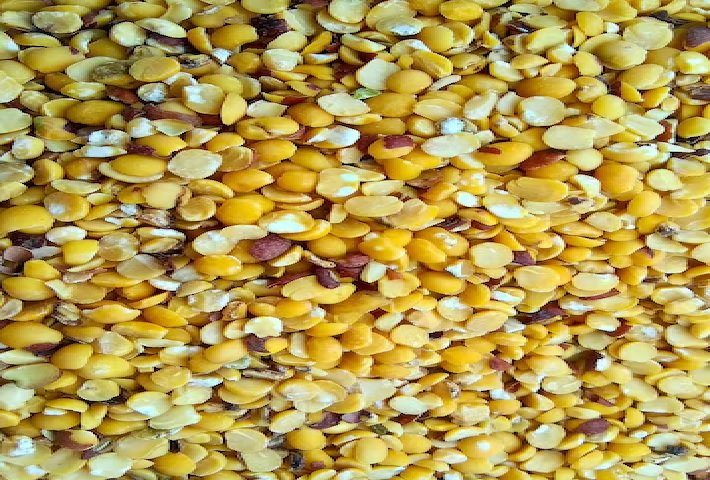
Mumbai: The central government currently holds a substantial stock of approximately 9.70 lakh tonnes of *arhar* (tur/pigeon pea); however, domestic market prices remain firm and elevated. While imports from Myanmar and African nations continue regularly, concerns regarding a sharp decline in domestic production are exerting a psychological impact on the market.
With negligible sales from government stocks and delays in the arrival of new produce, the supply and availability of this vital pulse—the second most consumed pulse in the country after *chana* (chickpea)—have become increasingly complex. Duty-free imports of tur have already been permitted until March 2027, and this timeframe is expected to be extended further, given the weak domestic harvest.
According to government data, the all-India average retail price of *tur dal* reached ₹135.78 per kg on November 16—an increase of 3.6% over the previous month and 20.2% higher than the price levels recorded a year ago. Meanwhile, the retail price of *urad dal* (black gram) stood at ₹126.84 per kg, reflecting a decline of 1.36% compared to October and 12.1% compared to November 2025.
The price of *chana dal* also rose by 12.5% to reach ₹95.66 per kg. *Tur dal* has witnessed the most significant price surge. Unless government stocks are released into the market more aggressively, it is unlikely that there will be any substantial softening in the prices of whole tur or *tur dal*. This remains a long-term challenge.