
Pulse Import Scenario Becoming Increasingly Complex
08-Dec-2025 01:19 PM
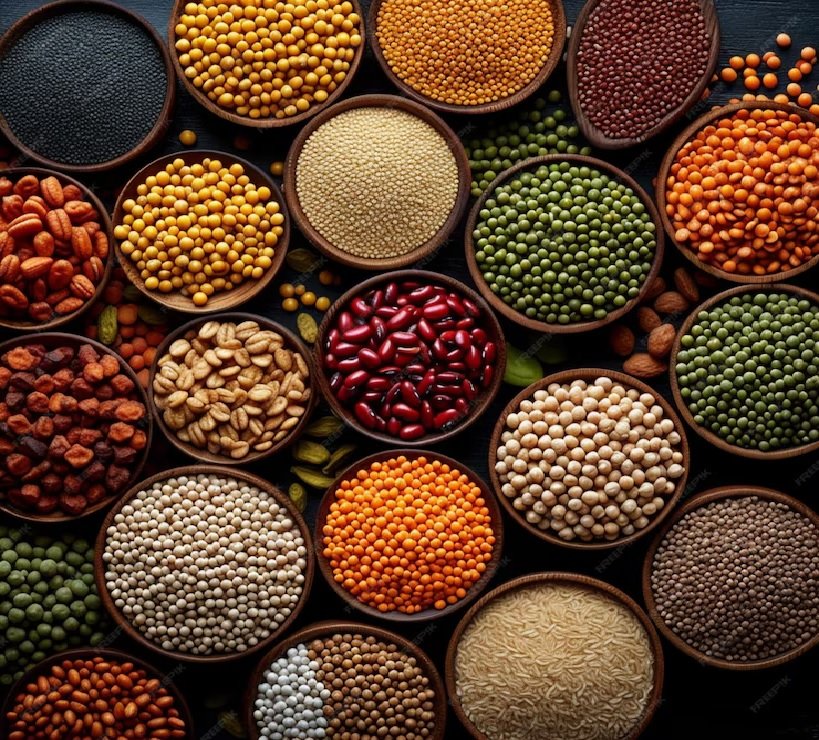
New Delhi. The scenario of pulse imports into India from foreign countries is becoming more complex with each passing day. On one hand, the Central Government is making strong efforts to achieve self-sufficiency in pulses by significantly boosting domestic production. On the other hand, it is also preparing to extend the five-year agreements (MoUs) made with countries like Myanmar, Mozambique, and Malawi for pulse imports by another five years.
It is noteworthy that five years ago, the Government of India had signed separate agreements with these three countries. Under these agreements, India committed to importing 2.50 lakh tonnes of urad and 1.00 lakh tonnes of tur from Myanmar, 2.00 lakh tonnes of tur from Mozambique, and 50,000 tonnes of tur from Malawi every year. If the duration of these agreements is extended, it would mean that India will import at least 6 lakh tonnes of pulses annually from these three countries for the next five years. In addition, a separate agreement has already been made to import 1.50 lakh tonnes of lentils from Australia. The agreements with Myanmar, Mozambique, and Malawi are set to expire at the end of the current financial year, i.e., on 31 March 2026. However, even before their expiry, the extension of these agreements up to the financial year 2030–31 has already been announced. Coincidentally, under the “Pulses Self-Sufficiency Mission”, India has also set a target to become self-sufficient in pulse production by 2030–31.
At present, there is an import duty of 10% each on desi chickpea (chana) and lentil (masoor), and 30% on yellow peas, while tur and urad are completely duty-free. Apart from these, there are limited imports of rajma (kidney beans), lobia (cowpeas), and kabuli chana (white chickpeas). A significant contradiction is visible in government policies related to pulse production and imports. It is understood that the proposal to extend the duration of the five-year import agreements with Myanmar and the two African countries has already received approval from the inter-ministerial committee.