
Pulse Market Dynamics
29-Nov-2025 10:53 AM
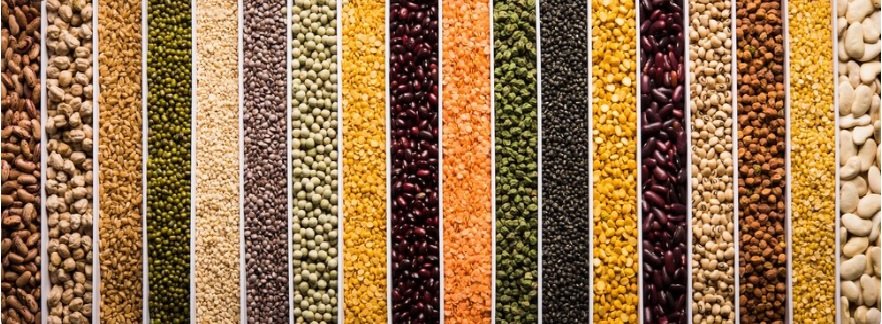
Despite the projected decline in kharif pulse production, the continued volatility in prices is not a good sign for producers, as it could diminish their enthusiasm and attractiveness. Central government data shows that during the 2025-26 kharif marketing season, tur (tur) production is expected to decline from 3.624 million tonnes to 3.597 million tonnes, urad (black gram) production from 1.341 million tonnes to 1.205 million tonnes, and green gram production from 1.774 million tonnes to 1.720 million tonnes, compared to last year. Previously, weak production had a strong psychological impact on the domestic market, leading to a rise in pulse prices. However, since the introduction of a liberal import policy, the Indian pulse market has been influenced and driven by global market fluctuations. Until two years ago, imports of Desi gram and yellow peas were subject to heavy basic customs duties of 60% and 50%, respectively, which had been exerting downward pressure on domestic market prices. However, the government subsequently made imports of yellow peas duty-free in December 2025 and Desi gram duty-free in May 2024. As a result, India's total pulse imports during the 2024-25 fiscal year surged to an all-time high, surpassing 7 million tons. Imports of pigeon pea, black gram, and lentils had already been made duty-free. This record import significantly increased the supply and availability of pulses in the domestic market, driving down prices. Despite strong pressure from various stakeholders, the government imposed a mere 10% import duty on Indian chickpea and lentils and 30% on yellow peas, while maintaining the duty-free imports of pigeon pea and black gram. Now the sowing of Rabi season pulses is underway and all eyes are focused on its total area. Till last week, the production area of gram, lentil and pea was slightly ahead of last year. The price of gram has come close to or below the minimum support price. Gram imported from Australia is also getting cheaper. If there is no change in government policy, there will be little possibility of increase in the pulse market in the future, due to which farmers may regret growing pulses. Prices have softened due to increase in global production of pulses.