
Rabi Crop Scenario
22-Feb-2025 01:02 PM
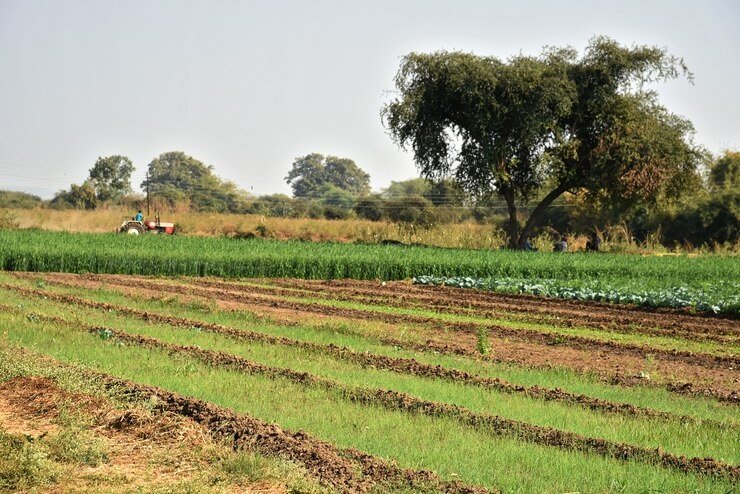
The scenario surrounding the current Rabi crop season in India presents a number of challenges for farmers. While the initial phase seemed promising with increased sowing and favorable weather conditions, the recent changes in weather patterns have created significant concerns. Specifically:
Reduced Rainfall: There's been a sharp 70% drop in rainfall compared to normal levels, with just 9.8 mm of rain from January to mid-February, well below the expected 33 mm. This has left the crops, particularly wheat, vulnerable to water stress and reduced growth potential.
Heatwave Concerns: An unexpected increase in temperature, especially in the northern and central regions, is exacerbating the situation. Temperatures have risen above normal levels much earlier than usual, leading to an increased risk of crops maturing prematurely. In places like Uttar Pradesh, Punjab, and Haryana, where wheat is a major crop, this early heat could drastically affect yield and quality.
Impact on Wheat and Other Crops: States like Uttar Pradesh, Punjab, Haryana, and Rajasthan, which are vital for wheat production, are facing abnormal weather conditions. Reduced rainfall (up to 97% in Uttar Pradesh and 65% in Punjab) is slowing wheat growth, and the heat may cause crops to ripen too soon. Similarly, mustard and gram crops could also suffer due to these conditions.
Uncertain Future: The lack of rainfall and potential for more heat and sunshine going forward adds an element of uncertainty. There is a growing concern about the long-term effect on both the yield and quality of Rabi crops. The Meteorological Department's prediction of no significant rainfall and the ongoing temperature anomalies may lead to a crop scenario much worse than initially anticipated.
For farmers, particularly in the northern states, the situation seems increasingly dire. They may face reduced crop quality and yield, leading to economic challenges, especially for those relying on wheat and mustard.