Home News
26-Oct-2026 06:07 PM
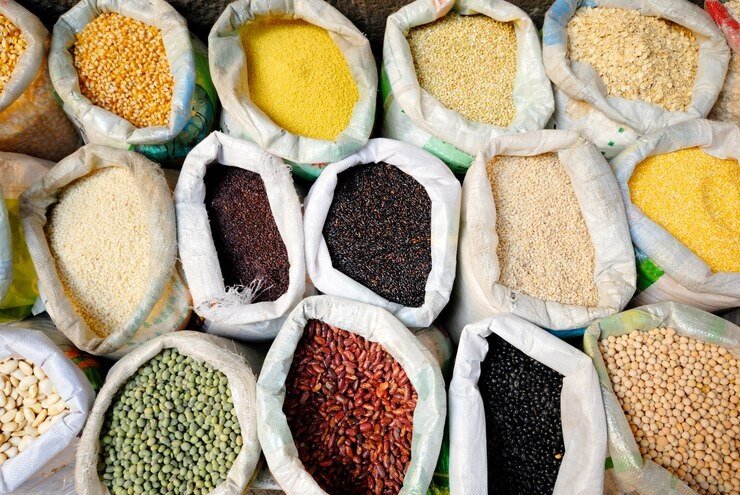
New Delhi. Every year, the Union Ministry of Agriculture estimates the production of crops for the Kharif and Rabi seasons. Based on these estimates, the Food Corporation of India (FCI) determines the procurement volumes for paddy and wheat. Similarly, the National Agricultural Cooperative Marketing Federation of India (NAFED) and the National Cooperative Consumers' Federation of India (NCCF) must devise their own strategies and plans for the procurement of pulses and oilseeds.
The Ministry of Agriculture’s production estimates and the procurement activities of government agencies significantly impact the domestic market, influencing how millers, traders, and farmers plan their buying and selling of agricultural and food products. For this, it is crucial that the data be reliable, practical, and accurate. Government estimates for paddy (rice) and wheat production often create confusion for the Ministry of Food and the domestic market. Likewise, there are frequently large discrepancies between government estimates for pulses and oilseeds and the production estimates projected by the trade sector.
It is true that fluctuations in the production of agricultural commodities depend primarily on the area sown, as well as weather and rainfall conditions. Furthermore, natural disasters and the outbreak of pests or diseases can also have a substantial impact on crops. Therefore, various factors must be carefully considered when estimating production.
At times, government production estimates are overly optimistic, which can lead to a temporary softening of the market. However, when actual arrivals in the agricultural markets (mandis) fall short of expectations, prices begin to fluctuate unpredictably, forcing the government to take hasty and often undesirable measures. This creates an imbalance within the trade and industrial sectors, leading to economic losses. Currently, there is an adequate stock of food grains in government warehouses, and these are being released into the market.