
Rice Imports from India Continue in Bangladesh
08-Dec-2025 12:31 PM
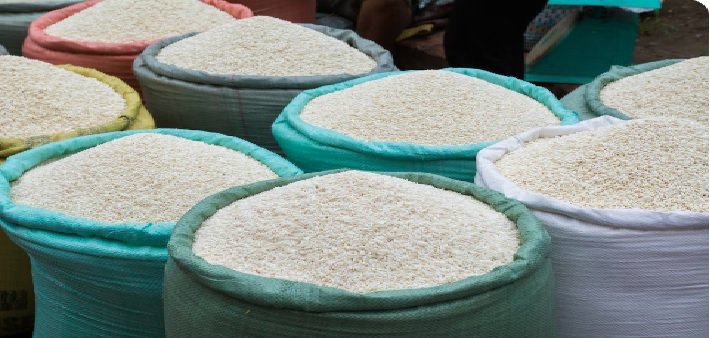
Kolkata. According to available information, around 224,400 tonnes of sella and atap rice were imported into Bangladesh through the Hilly land port during the last four months, while about 18,000 tonnes of rice were also brought in via the Linpol port. This rice was sourced mainly from India.
Although the government claims that Bangladesh has become self-sufficient in rice, the ground reality appears different. Rice is the staple food for the common people in Bangladesh. If adequate production truly existed, then why does the shortage persist? Why does the need to import rice from India continue?
In fact, in the rural areas of Bangladesh, rapid development and expansion of brick kilns, roads, bridges, factories, and other infrastructure have been shrinking agricultural land. In addition, prices of food, fertilizers, pesticides, and other agricultural inputs have risen sharply. As a result, farmers are now focusing more on higher-income sectors, and their interest in paddy cultivation is steadily declining. They have started giving priority to vegetable farming, poultry, and livestock (dairy) activities. With the growing population, agricultural land is also getting divided rapidly, causing the average farm size to shrink. These trends indicate a direct impact on paddy cultivation, making the situation even more challenging in the future.
Bangladesh mostly produces low or medium-grade paddy and rice, while the demand and consumption of high-quality rice are increasing rapidly. Therefore, rice imports become necessary. India produces adequate quantities of such rice, and the two countries share a land border, making the import of Indian rice relatively more economical for Bangladesh.