
Satisfactory Sowing of Kharif Crops
12-Sep-2026 10:50 AM
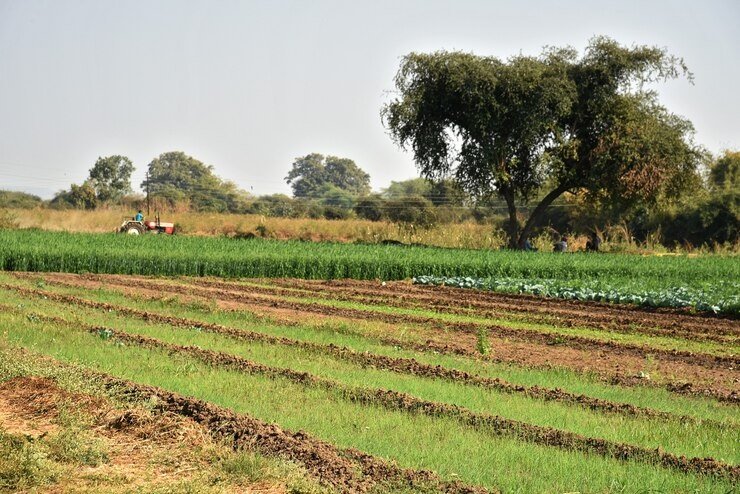
Despite the impact of El Niño and the weak performance of the southwest monsoon, the total sown area for Kharif crops reached 1,096.50 lakh hectares by September 11; this is 16.05 lakh hectares less than the 1,112.55 lakh hectares sown during the same period last year. This decline is primarily attributed to paddy and maize.
The area under paddy has decreased by approximately 17 lakh hectares, and the area under maize by 2.50 lakh hectares. Additionally, there has been a decline in the sown area for moong (green gram), soybean, and cotton.
The area under sugarcane trails by 40,000 hectares. On the other hand, there has been a significant increase in the area under cultivation for arhar (tur/pigeon pea), urad (black gram), jowar (sorghum), bajra (pearl millet), sesame, and sunflower. The area under urad has increased by 2.70 lakh hectares, and the sown area for sesame by 1.40 lakh hectares.
Similarly, the sown area for bajra has seen an increase of 2 lakh hectares. In fact, excluding paddy and maize, there has been no significant reduction in the cultivation area of other Kharif crops. While the cultivation area for paddy and maize remains above the five-year average, it is lower than last year's figures, as the acreage had surged to an all-time high during the previous year.
Concerns regarding Kharif crop yields persist due to deficient monsoon rainfall. A severe rainfall deficit is being felt in the southern states. Similarly, there are apprehensions that a lack of rain could impact crops in parts of states like Maharashtra and Gujarat; these regions are major producers of tur (pigeon pea). The situation in North and Northwest India is largely normal.
Madhya Pradesh and Uttar Pradesh have received good rainfall, and conditions in Eastern India are not critical. Attention is now focused on the weather and monsoon patterns in September, as they will play a crucial role in determining the final output of many Kharif crops.