
Tur Prices Firm Up Amid Concerns Over Costly Imports and Domestic Crop
12-Sep-2026 11:37 AM
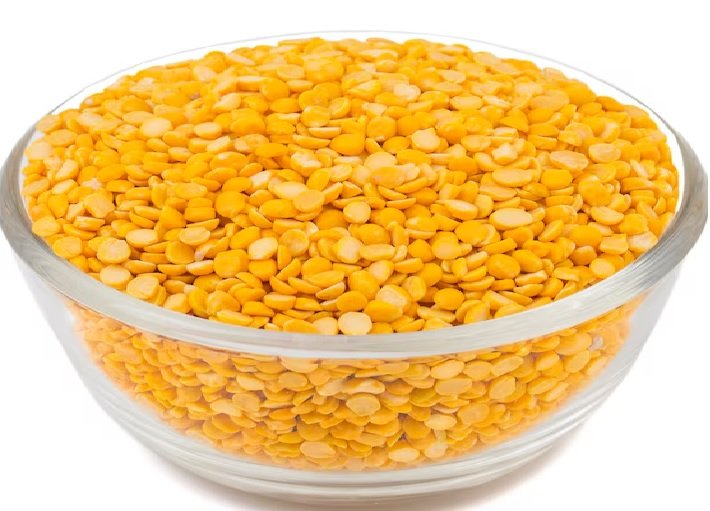
New Delhi. Although government data indicates that the cultivation area for *Arhar* (Tur)—the primary pulse crop of the Kharif season—has increased by 64,000 hectares to reach 46.61 lakh hectares (up from 45.47 lakh hectares last year), the situation in the two top producing states—Maharashtra and Karnataka—is concerning. In these states, not only has the sowing area shrunk, but monsoon rainfall has also been deficient, hindering crop progress. Since Tur is a long-duration pulse crop, weather conditions during September and October will prove crucial. Harvesting of the new crop typically gains momentum in December and January.
Meanwhile, anticipating a potential impact on domestic production in India, export offer prices for Tur from Myanmar and African nations have begun to rise. Supplier countries are confident that India's import demand for Tur will increase. The Indian Rupee also remains weak against the US Dollar, hovering around the 94–95 mark.
Tur imports are becoming costlier, and the domestic supply and availability situation is becoming complex. Conversely, there are signs of rising demand. Consequently, prices have firmed up recently, and are expected to remain high and strong in the near future. Data from the Department of Consumer Affairs reveals that on September 9, the all-India average retail price of Tur *dal* rose to ₹124.04 per kilogram. The need to import whole Tur from abroad will persist.
On September 9, 2026, the wholesale (average) price of Tur also rose to ₹11,471.39 per quintal; this is 2 percent higher than the previous month's average of ₹11,248.27 and 7.75 percent higher than last year's average price of ₹10,645.36 per quintal. Its price may remain strong going forward.