
Signs of rise in prices of urad due to crop damage in Tamil Nadu and Andhra Pradesh
18-Dec-2024 11:14 AM
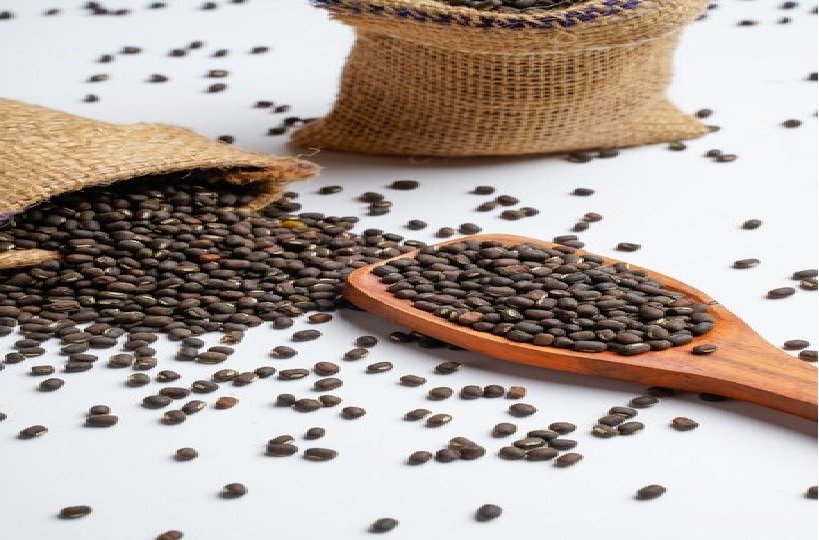
The rise in prices of urad (black gram) in India can be attributed to several factors linked to crop damage in key producing states such as Tamil Nadu, Andhra Pradesh, and Karnataka. The natural calamities and crop diseases have significantly impacted the urad yield, causing a decline in supply, which in turn has led to an increase in prices. Key points to consider:
Impact of Cyclone Fengal in Tamil Nadu: The region was hit by heavy rains, strong winds, and floods due to Cyclone Fengal, which caused extensive damage to the urad crop. Continuous rains exacerbated the situation, further affecting the crop's health and yield.
Yellow Mosaic Virus in Andhra Pradesh: Along with the impact of natural disasters, Andhra Pradesh has seen considerable crop loss due to the spread of the yellow mosaic virus, particularly damaging the urad crop. Villupuram in Tamil Nadu and other parts of Andhra Pradesh have been severely affected.
Weather-related Damage in Karnataka: In the northeastern region of Karnataka, continuous rains during the harvesting period have damaged the urad crop. The rains affected both yield and quality, with some areas seeing production as low as 20% of the expected output.
National Reduction in Sowing Area: The sowing area for urad at the national level has decreased from 32.60 lakh hectares in the previous year to around 30 lakh hectares in the current season. This reduction in area has occurred in states like Madhya Pradesh, Odisha, and Rajasthan, although areas in Karnataka, Maharashtra, Uttar Pradesh, and Andhra Pradesh have seen an increase.
Price Rise Trends: The reduced supply, combined with the damage to the crop, has created an upward pressure on prices. Additionally, there is speculation that the price of urad will remain strong until the new crop from Myanmar enters the market, further affecting domestic availability and pricing.
Overall, the combination of weather-related factors, crop diseases, and a reduction in the sowing area has led to a tight supply situation, which is driving up the prices of urad in India.