
Slow pace of government procurement of pulses
13-Feb-2025 05:17 PM
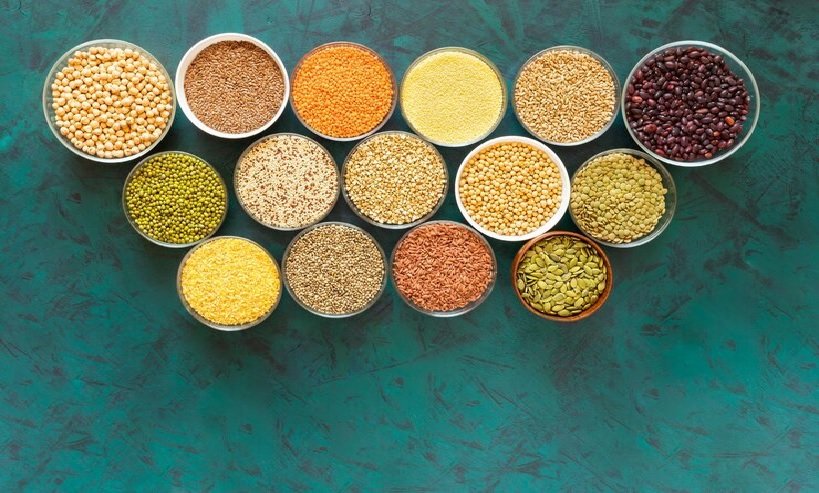
The government’s pace in procuring pulses such as urad, moong, and tuvar for the 2024-25 season has been slower than expected, with significant regional disparities in procurement activities.
Here’s a summary of the situation:
Moong Procurement:
- The government has been successful in procuring a substantial amount of moong, with a national total of 1,76,502 tonnes by February 10, 2025.
- Rajasthan stands out, accounting for 1,45,887 tonnes of the total procurement.
- Other states like Karnataka, Haryana, Telangana, Gujarat, and Maharashtra have made some contributions, but other states like Tamil Nadu, Uttar Pradesh, Andhra Pradesh, and Chhattisgarh have not contributed to the procurement so far.
- The procurement period for moong has ended in most states, but there is still a possibility for Rabi season procurement in some regions.
Urad Procurement:
- The procurement of urad has been significantly less, with only 3,736 tonnes procured, primarily in Rajasthan.
- Despite the MSP of Rs 7,400 per quintal, urad’s market price remained above this level during the procurement window, discouraging farmers from selling to government centers.
- Procurement in other major pulse-producing states, including Karnataka, Telangana, Maharashtra, and others, has not materialized.
Tuvar (Arhar) Procurement:
- Tuvar procurement has faced delays due to the late harvest of the crop. As of February 10, 2025, a total of 7,816 tonnes had been procured, with the bulk of it coming from Andhra Pradesh.
- Like urad, procurement has not started in several major producing states like Uttar Pradesh, Maharashtra, and Madhya Pradesh.
- The MSP for tuvar is set at Rs 7,550 per quintal, but the wholesale market prices have dropped, making government procurement a more attractive option for farmers.
Challenges and Concerns:
- Despite the central government’s commitment to procure all pulses reaching the procurement centers, the slow pace of procurement is raising concerns about how effectively the Price Support Scheme (PSS) is functioning.
- Several states are not meeting procurement targets, and farmers in those areas are left with fewer options, as private market prices may fall below MSP after the procurement window closes.
- The role of agencies like NAFED and NCCF in executing these procurements is being scrutinized, as their performance has been uneven across states.
Overall, while some states have made progress in procurement, the slow pace in others could lead to missed opportunities for farmers and a potential market imbalance.