
States Advised to Focus Specifically on Cultivation of Pulses and Oilseeds
04-Jun-2026 07:47 PM
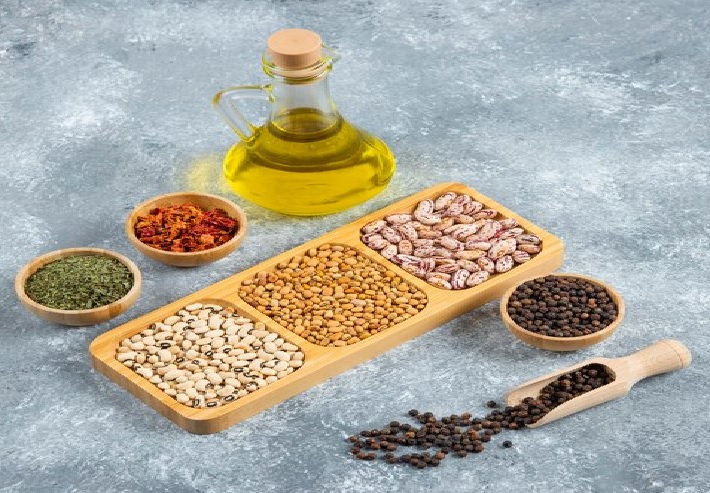
New Delhi. The sowing season for Kharif crops formally commenced on June 1, 2026. In light of the possibility of a weaker monsoon this year due to the El Niño phenomenon, the Central Government has urged states to pay special attention to the cultivation of pulses and oilseeds. Specifically, rainfall during the monsoon season is projected to fall below the normal average; furthermore, there may be disruptions in the supply of fertilizers this time around. Consequently, states are being asked to prioritize the cultivation of pulse and oilseed crops.
The Central Government has directed states to procure seeds in a timely manner and ensure their effective distribution among farmers. Additionally, states have been asked to undertake necessary precautionary measures to enhance the average yield rates of pulse and oilseed crops. This initiative aims to boost their supply and availability through indigenous sources, thereby helping to reduce the country's dependence on the import of pulses and edible oils.
It is noteworthy that during the Kharif season, the pulse category primarily comprises crops such as Arhar (Tur), Urad, Moong, Moth, Kulthi, and Khesari. The major producing states for these crops include Rajasthan, Maharashtra, Karnataka, Madhya Pradesh, Gujarat, Uttar Pradesh, Telangana, and Andhra Pradesh. Similarly, states such as Madhya Pradesh, Maharashtra, Gujarat, Rajasthan, Karnataka, and Telangana are the leading producers of major Kharif oilseeds—including soybean, groundnut, castor, sesame, and sunflower.
According to official sources, special priority may be accorded to the cultivation of pulses in certain regions this year, as these crops require less water for irrigation. However, among oilseed crops, particular attention will need to be focused on soybean. Notably, wholesale market prices for soybean have witnessed a significant surge in recent months; this has greatly encouraged farmers, who may, therefore, attempt to expand the acreage under soybean cultivation. A modest increase in the sowing area for groundnut is also anticipated, given that its market prices are currently trending high.