
The goal of self-sufficiency in pulses is slipping away
28-Nov-2025 04:07 PM
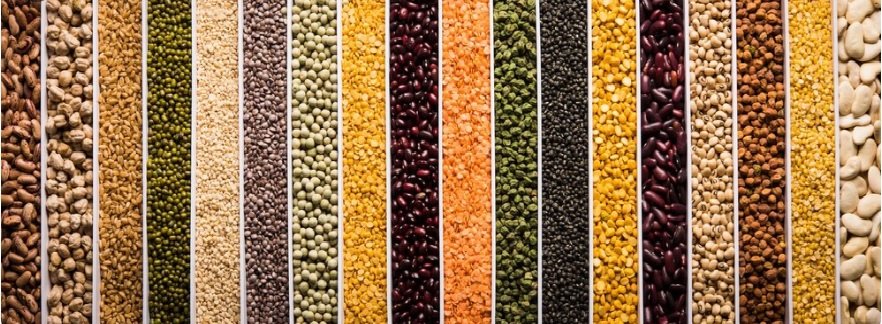
New Delhi. Domestic demand and consumption of pulses is steadily increasing, but production is not increasing commensurately.
This year, too, a decline in Kharif pulse production is expected. Although there has been no reduction in the sown area, floods, rains, and waterlogging have caused significant crop damage. The government's estimated pulse production figures are also not entirely free from doubt.
For example, the Ministry of Agriculture has estimated domestic production of pigeon pea (tur) or tur (pigeon pea) to decline by just 27,000 tons from 3.624 million tons last season to 3.597 million tons in the current season.
However, the industry and trade sector believe that due to the extensive damage caused to the crop by natural disasters, the actual production of tur (pigeon pea) may be 400,000-500,000 tons lower than the government estimate. The pigeon pea crop has been significantly damaged in Maharashtra, Karnataka, and some other states.
Similarly, the government has predicted that urad production will decline by 1.36 million tons from 1.341 million tons in the previous Kharif season to 1.205 million tons this time.
This estimate is also not considered entirely reliable. According to the industry and trade sector, urad production is unlikely to exceed 1 million tons because the crop in several important producing states,
including Madhya Pradesh and Maharashtra, suffered significant damage due to various natural disasters, affecting both the average yield and quality of the crop.
While new arrivals are continuing, there is not much supply pressure in the markets. Heavy imports from Myanmar and Brazil are also continuing.
The case of moong is no different. The government has estimated its domestic production to fall by 54,000 tons from 1.774 million tons in the previous Kharif season to 1.720 million tons this time.
While the area sown remained roughly the same as last year, surplus rainfall and flooding in states like Rajasthan and Maharashtra significantly damaged the crop.
New crop supplies have already begun. Imports of mung beans have been banned in India since February 2022, and domestic market prices are remaining stable within a certain range.