
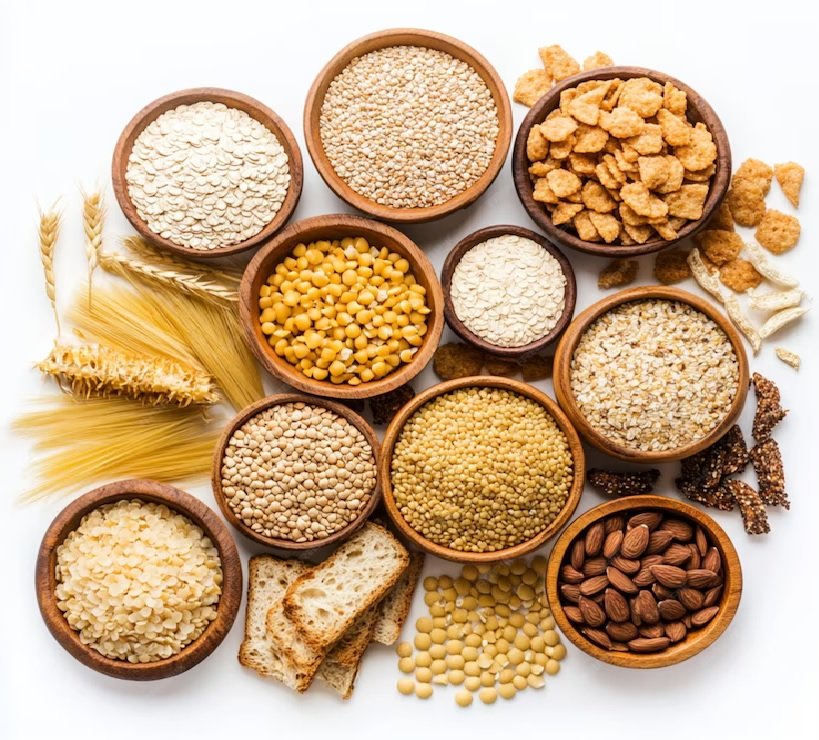
The global grain market, particularly for maize, soybeans, and wheat, seems to be in a balanced state as of the 2024-25 marketing season. Here's a breakdown of the current trends and challenges:
Maize (Corn)
US Production and Surplus: The United States has produced record maize crops in three of the last five years, leading to a large surplus. However, the demand for maize has kept pace with the supply, ensuring that the outstanding stock remains below 2 billion bushels. This balance has prevented uncontrolled price increases despite the surplus.
Price Trends: The price of maize fluctuated between $3.30 and $4.30 per bushel from 2014 to 2020. Recently, prices have moved into a higher range of $4.10 to $5.25 per bushel, driven by rising costs, not necessarily by scarcity. Though prices dropped last summer, they have started to rise again.
Export Dynamics: US maize exports are performing better than expected, with sales outpacing USDA estimates. Despite this, the USDA has not increased export targets. Critics believe that if the current pace continues, US corn exports could surpass the set target. However, exports to China have dramatically decreased by 86%, while Mexico has compensated by increasing its imports due to a severe drought crisis.
Political Considerations: The potential imposition of a 25% customs duty on goods imported from Mexico under a future Trump administration could lead to increased trade disputes, impacting maize trade flows.
Soybeans
- Global Production: Soybean production globally is expected to be strong, with the US, Argentina, and Brazil seeing increases. Brazil's production, in particular, is expected to reach an all-time high. This could help meet global demand, especially as soybean is a crucial ingredient in animal feed and biofuel production.
Wheat
- Wheat Supply: Global wheat production is also forecast to be strong. However, the exact details on individual country production are not as clear, but wheat remains a critical crop for global food security.
Balance Between Supply and Demand
The balance between global supply and demand for grains, pulses, and oilseeds is being maintained as production increases in some countries to offset declines or stable outputs in others. This balance has prevented significant price hikes. However, any fluctuations in production due to adverse weather events or political factors (like trade tariffs) could disrupt this equilibrium and lead to volatility in the market.
In conclusion, the global grain market appears to be in a stable phase with a balance between supply and demand. The key challenges include political tensions affecting trade, like the potential duties on Mexican imports, and the impact of adverse weather conditions in key producing regions.