
Water Levels in Dams and Reservoirs Drop Below 45 Percent
10-Apr-2026 12:27 PM
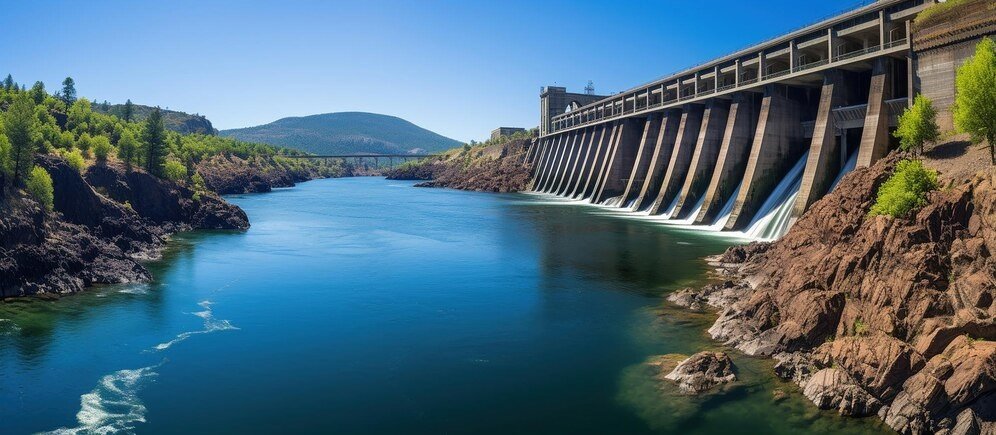
New Delhi: The latest data from the Central Water Commission reveals that water storage in the country's 166 major dams and reservoirs has declined to less than 45 percent of their total storage capacity. Furthermore, less than 10 percent of these reservoirs currently hold more than 80 percent of their capacity, while in over 55 percent of the dams, water levels have fallen below the 45 percent mark. Other reservoirs also hold very meager water reserves.
An interesting fact is that, despite receiving above-average pre-monsoon rainfall across a vast portion of the country, water levels in the dams and reservoirs have failed to show any significant improvement. According to the Meteorological Department, between March 1 and April 8, 2026, over 60 percent of the country's 725 districts received normal or above-normal rainfall; however, this has not been sufficient to compensate for the severe rainfall deficit experienced across more than 70 percent of the country during January and February.
According to the Commission's report, water storage in the 166 major dams and reservoirs has dropped to 82.070 Billion Cubic Meters (BCM)—representing merely 44.7 percent of their total storage capacity of 183.565 BCM. Nevertheless, the current water level stands 18 percentage points higher than during the corresponding period last year, and 27 percentage points higher than the 10-year average. While the rainfall received in March and April proved sufficient to cause damage to Rabi crops, it was inadequate to replenish water stocks in the dams and reservoirs.
Water levels are declining rapidly across all five regions of the country. Currently, not a single reservoir is filled to its full capacity. Although the spell of rainfall is still ongoing, it appears unlikely that it will lead to any substantial increase in water reserves.