
Water Stock in South Indian Dams Drops to Alarming Levels
15-May-2026 04:10 PM
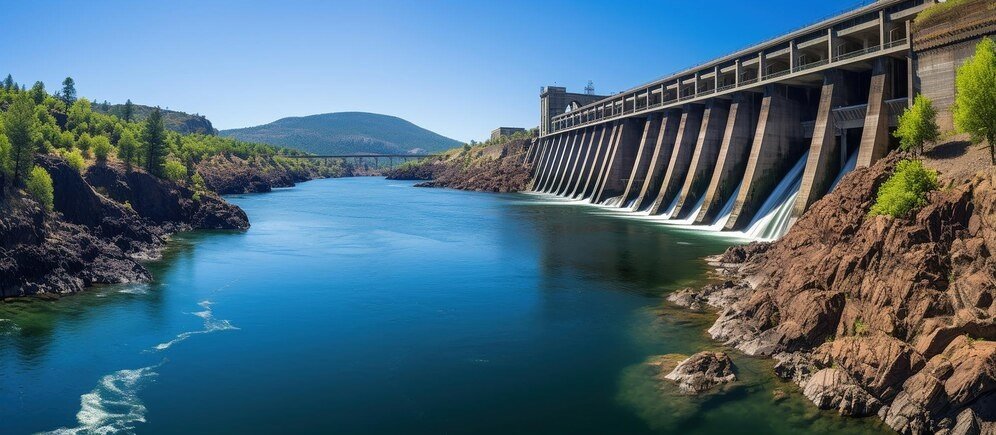
Hyderabad: Water stocks in the dams and reservoirs of South India have depleted to alarming levels, and the region has been experiencing a prolonged absence of substantial rainfall. Conversely, continuously rising temperatures and the onslaught of severe heat are causing damage, particularly to plantation crops—including tea, coffee, natural rubber, areca nut, and small cardamom, as well as other spice crops. The harvesting and processing of the new small cardamom crop typically commence in late June or early July.
Currently, the 47 major reservoirs in South India hold a water stock of only 14.051 billion cubic meters (BCM), which represents a mere 25 percent of their total storage capacity of 55.288 BCM. Among these states, Telangana's situation is reported to be the most critical, as its reservoirs currently hold a water stock equivalent to only 20 percent of their total storage capacity. Water stocks stand at 22 percent in Karnataka's dams, 24 percent in Kerala, 34.5 percent in Tamil Nadu, and 37 percent in Andhra Pradesh's reservoirs.
If the region does not receive heavy rainfall soon, water levels in these dams and lakes are expected to drop even further. In some reservoirs, water levels are so low that there is a looming risk of them drying up completely. This could trigger a severe crisis regarding both the supply of drinking water and water required for crop irrigation.
It is noteworthy that Telangana is the leading producer of paddy and rice in South India. Paddy cultivation in the state relies primarily on water from reservoirs, which currently hold very low stock levels. Telangana also leads the region in cotton production. The soil in the fields has hardened due to a complete lack of moisture. Rainfall from the Southwest Monsoon is expected to commence starting next month.