
Wheat stock position
16-Dec-2024 10:32 AM
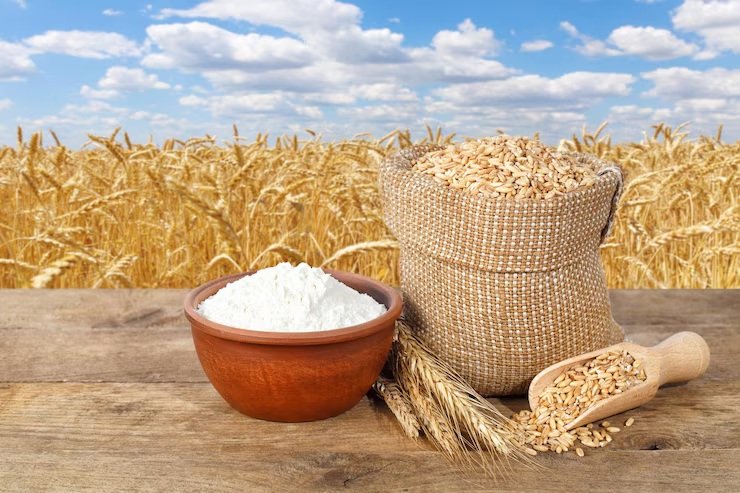
Wheat stock position
The wheat stock situation and price dynamics in India highlight a challenging scenario shaped by production shortfalls, high domestic prices, and potential policy decisions on imports. Here's a breakdown:
1. Wheat Stock Position
Decline in Stocks:
Wheat stocks in government warehouses have dropped to their lowest levels since 2007-08, reflecting below-average production over the past three years.
As of December 1, stocks stood at 206 lakh tonnes, with projected usage and market allocations reducing availability:
Public Distribution System (PDS): 15 lakh tonnes per month till March, totaling 60 lakh tonnes.
Minimum Stock Maintenance: 74.6 lakh tonnes to be maintained till April 1.
Open Market Sale: Approximately 71 lakh tonnes will be available, compared to 100.9 lakh tonnes sold in 2023-24.
Challenges in Procurement:
Higher open market prices might discourage farmers in states like Madhya Pradesh, Punjab, Haryana, and Rajasthan from selling to government agencies at the MSP of Rs 2,425 per quintal.
2. Price and Import Dynamics
Domestic Prices Remain High:
Despite the wheat export ban imposed in May 2022, domestic prices have stayed elevated, impacting affordability and procurement strategies.
Import Costs:
Russian wheat is priced at $230 per tonne, and Australian wheat at $270 per tonne.
With sea freight and insurance, the landed cost in India is Rs 2,290-2,545 per quintal, close to MSP.
However, the 40% import duty makes imported wheat less competitive unless waived.
Import Feasibility:
Importing wheat at 0% duty could make it cheaper than domestic wheat for flour mills, particularly in South India.
3. Wheat Production Outlook
Increasing Sowing:
The current high wheat prices have motivated farmers to increase sowing this Rabi season.
Favorable Weather Conditions:
With temperatures starting to drop, weather conditions could further bolster production prospects if they remain favorable.
Implications
Supply and Price Stability:
Limited wheat stocks and reduced government sales in the open market could keep domestic prices elevated.
The government might need to consider measures such as reducing import duty to stabilize prices.
Impact on Procurement:
High market prices may shift farmer preference towards private traders, potentially undermining government procurement targets.
Production Recovery:
If weather conditions remain conducive, increased sowing could lead to a rebound in wheat production, alleviating some supply concerns.