
Above-Normal Rainfall Benefits Rabi Crops in Punjab and Haryana
02-Feb-2026 04:15 PM
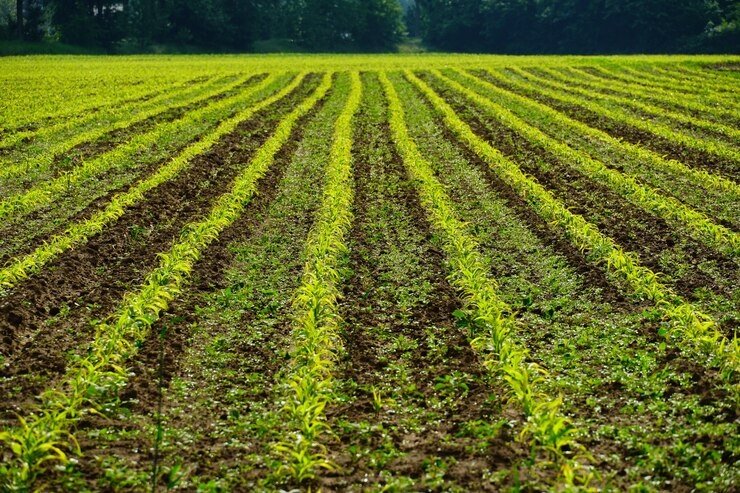
Chandigarh: During January 2026, above-average rainfall and relatively cool weather in Punjab and Haryana are expected to significantly benefit rabi crops, especially wheat and mustard. As there has been no prolonged spell of cold waves, dense fog, or frost this season, crops have so far not faced any serious threat. However, light hailstorms were reported in a few isolated areas.
During January, several northern and central districts of the country received good rainfall, which proved beneficial for rabi crops. Importantly, in January 2024 and 2025, states such as Punjab, Haryana, Rajasthan, and Uttar Pradesh experienced largely dry conditions with little or no rainfall. In contrast, January 2026 turned out to be much better from a rainfall perspective. Considering the active western disturbances, the Meteorological Department has also forecast rainfall during 2–3 February.
According to the Meteorological Department, Punjab received 34.4 mm of rainfall between 1 and 31 January 2026, which is about 69 percent higher than the normal average of 20.3 mm. However, rainfall distribution across districts was highly uneven. Districts such as Gurdaspur, SBS Nagar, Fatehgarh Sahib, Rupnagar, and Ludhiana received 50 mm or more rainfall, while several districts recorded much lower-than-normal precipitation. These included Muktsar, Firozpur, Fazilka, Faridkot, and Bathinda, where rainfall was 55 to 77 percent below normal.
Amritsar, Jalandhar, and Ludhiana recorded near-normal rainfall. Over the past 25 years, January rainfall in Punjab has generally remained below the long-term average, with only 2022 witnessing somewhat normal precipitation. This year, the intensity of cold was also relatively mild, which helped crops develop more smoothly and evenly.