
Agri Exports Up 12% in First Half of Fiscal Year
04-Nov-2025 05:22 PM
New Delhi. Despite a slight decline in the export offer price of basmati rice, India's total export earnings from agricultural products registered a significant increase during the first half of the current financial year.
Export earnings of several other agricultural products, including non-basmati rice and pulses, also increased significantly during this period.
According to available data, the total export earnings of products monitored by the Agricultural and Processed Food Products Export Development Authority (APEDA), an agency under the Union Ministry of Commerce, increased to $13.936 billion in April-September 2025, a 12 percent increase from the total export earnings of $12.475 billion in April-September 2024.
During the period under review, export earnings of non-basmati rice increased by 27.6 percent from $2.25 billion to $2.87 billion, and export volume jumped 51 percent from 4.65 million tons to over 7.01 million tons.
However, export earnings from Basmati rice declined slightly from $2.86 billion to $2.76 billion during the same period. While export volumes increased from 2.72 million tons last year to 3.16 million tons this year, weak export offer prices led to a slight decline in earnings. Last year's offer prices were significantly higher.
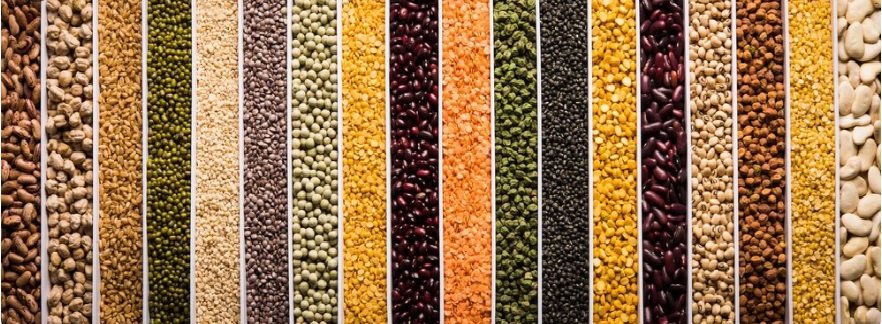
During April-September 2025, export earnings from pulses and legumes increased to $435 million, representing a 25 percent increase from $348 million in the same period last year.
During the first half, exports of fresh fruits, cereals, processed fruits, and juices from the country exceeded $500 million. Export earnings from some other products also increased.
As for rice, increasing competition from Pakistan has forced India to lower the export offer price of Basmati rice. Consequently, export volumes are increasing, but earnings are declining.
The export offer price of non-basmati rice has also declined, but shipments have increased rapidly. Demand for both basmati and non-basmati rice remains strong in many countries in Africa and Asia.