
Cold Weather Affects Tur Crop in Maharashtra - Prices Improve
27-Jan-2026 05:32 PM
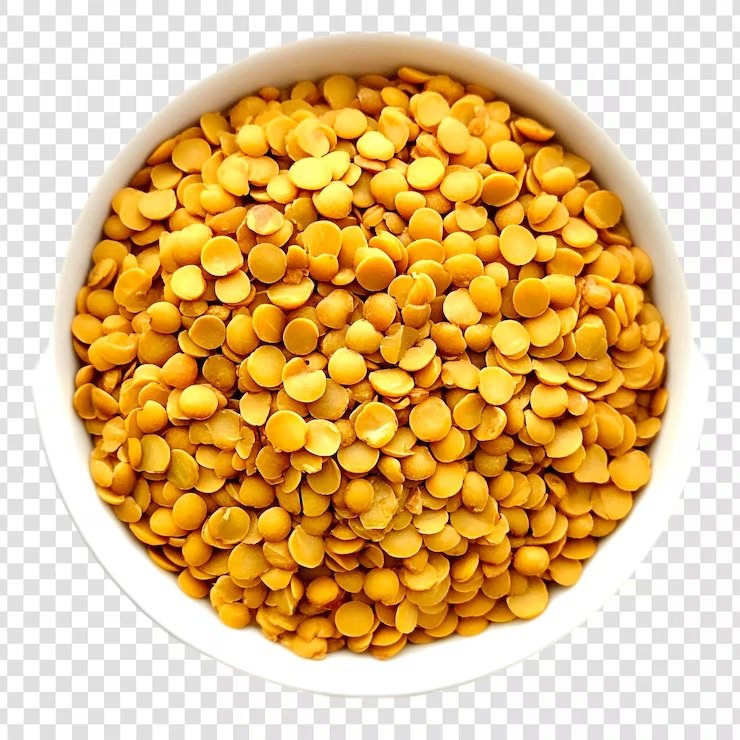
Pune: In Maharashtra, the tur (pigeon pea) crop was in the flowering and pod formation stage when the weather suddenly turned very cold. As a result, the yield and production of the tur crop in the state are expected to be affected.
This is having a positive impact on the market, and tur prices have started to improve. Traders and pulse millers are actively buying tur, anticipating further price increases in the coming days.
The retail price of tur dal has already increased by Rs. 10, rising from Rs. 120 per kg to Rs. 130 per kg. Trade analysts predict that price fluctuations will continue, as supply in the market is decreasing and production is also expected to be lower in the major producing regions.
In the Vidarbha region of Maharashtra, a major producing area, the cold spell intensified during December 2025, precisely when the crop was flowering and forming pods.
Since the tur crop is sensitive to low temperatures, the unusually cold weather is likely to affect its yield.
According to farmers, harvesting of the new tur crop has begun, but production is lower than normal.
Overall, a 30 percent loss is anticipated, although the extent of damage will vary across different regions. The loss in production will depend on the severity of the adverse weather conditions.
Experts say that the anticipated decline in production is already impacting wholesale markets, where the price of tur has risen from a low of Rs. 6000 per quintal to Rs. 8000 per quintal.
The Minimum Support Price (MSP) for tur has also been fixed at Rs. 8000 per quintal this year. Further price increases are expected.
There is no pressure of excess supply of tur in the markets of Maharashtra. Meanwhile, in Karnataka, heavy unseasonal rains have caused significant damage to the crop, and tur production is expected to decrease considerably.
Karnataka and Maharashtra are two of the leading pigeon pea producing states in the country. Production in Karnataka is expected to decline by 30-40 percent.