
Competition in Spice Exports
18-Apr-2026 10:46 AM
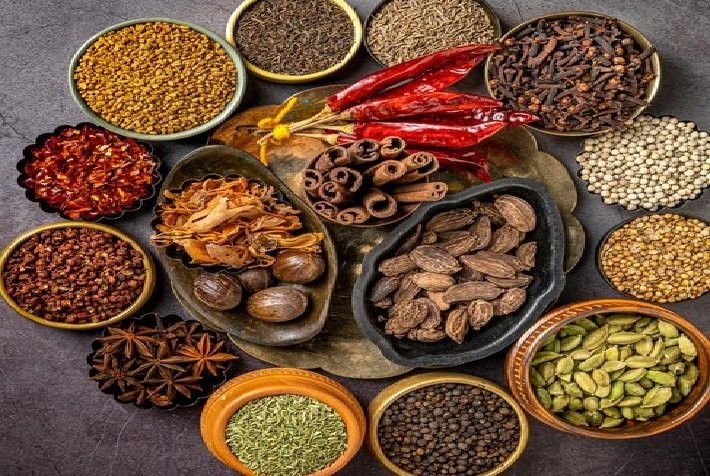
Overall, India continues to be the world's leading producer, consumer, and exporter of spices. From here, more than 80 varieties of whole spices and value-added spice products are exported to over 100 countries across the globe. While India maintains a leading position in the export of numerous spices, it faces stiff challenges and intense competition from other supplier nations in the global export markets for certain specific spices.
Furthermore, spice exports are also at risk of being adversely affected due to increasingly stringent regulations being imposed by various importing nations regarding the presence of pesticide residues. To meet these quality standards, Indian spice producers and exporters need to exercise extra caution.
Until the 1990s, India remained the world's foremost producer and exporter of black pepper; however, Vietnam has now surged significantly ahead. The situation is similar in the case of cashews. Likewise, the challenge posed by China in the cumin export market is steadily growing.
It is noteworthy that until just a few years ago, China used to import approximately 60,000 to 70,000 tonnes of cumin annually from India; however, domestic production there has now increased to such an extent that the country has reached a position where it is able to export the spice to other nations. In the case of small cardamom, India faces stiff competition from Guatemala. Competition is also intensifying in the export markets for red chilies, turmeric, and coriander.
During the period from April 2025 to January 2026, India's cumin exports declined by 15 percent, falling to 167,000 tonnes. The productivity rate for cumin in India stands at 450–500 kilograms per hectare, whereas in China, it is one and a half times higher.
Although the performance of Indian spice exports is currently satisfactory, it is absolutely essential to remain vigilant and alert regarding the future.