
Cut in Stock Limits for Jute
21-Jan-2026 12:48 PM
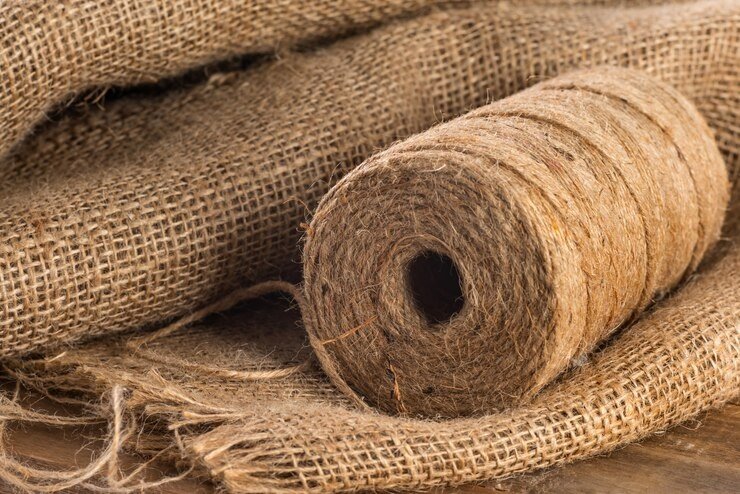
New Delhi. The central government has reduced the stock limits on raw jute (jute puchan) for traders and shellers (bale makers) with the objective of curbing hoarding and checking price rise, and to ensure adequate availability of raw material to jute mills for the production and export of jute bags (gunny bags) and other value-added jute products.
According to a press release issued by the Ministry of Textiles, jute prices have risen sharply over the past few months and have surged well above the minimum support price (MSP) announced by the government. In order to control this situation, it has been decided to tighten the storage limits on jute.
Under the revised rules, bakers/pressers with pressing capacity will now be allowed to hold a maximum of 1,200 quintals of jute at any one time. Similarly, for stockists, the upper storage limit has been fixed at 25 quintals. Unregistered traders will be permitted to keep up to 5 quintals of jute in stock, while jute mills have been allowed to maintain stocks equivalent to 45 days of consumption and operational requirements.
Commercial firms have been instructed to declare their stock position on the government portal every fortnight. In addition, traders have been asked to reduce their jute holdings in line with the new stock limits within the next 10 days.
In India, jute production is mainly concentrated in states such as West Bengal, Bihar, Assam, Meghalaya, and Andhra Pradesh. West Bengal is the largest producer and also has the highest number of jute mills. Bangladesh has imposed a ban on jute exports to India, and attempts to restrict domestic stocks have also contributed to higher jute prices.