
Despite complete opening of exports from India, the price of rice in Nepal is high.
13-Nov-2024 01:23 PM
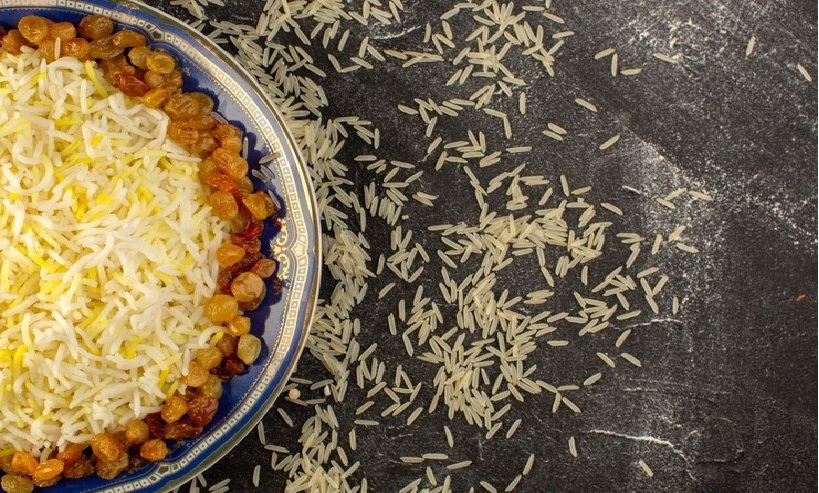
Despite India's recent policy changes to open up rice exports, the price of rice in Nepal remains high, especially for premium varieties like fine-quality, long-grain rice, which are heavily imported from India. This situation can be attributed to several factors, even though India's government has eased export restrictions and lifted the minimum export price (MAP) on rice.
Here’s a breakdown of why the prices in Nepal are still elevated:
1. Supply and Demand Dynamics:
Limited Domestic Production: Nepal has minimal production of high-quality rice, especially the long-grain varieties preferred by urban consumers. Most of these varieties are imported from India.
New Paddy Arrival: While the arrival of new paddy (rice harvest) is expected to ease the situation in the coming weeks, the full impact on prices will depend on the scale of the harvest and whether it meets domestic demand.
2. Price Fluctuations Post-India’s Export Restrictions:
India imposed an export ban on white rice in July 2023, which caused an immediate price surge in Nepal. Prices of rice increased by Rs 200-250 per 25 kg sack, as Nepal was reliant on Indian imports for a significant portion of its rice consumption.
Although the ban was lifted in September 2024, the export duty on Sela rice was first reduced and then completely removed, which could help to lower costs. However, due to the price volatility during the ban period and the lingering effects of earlier high prices, it will take some time for the market to stabilize fully.
3. Impact of the Minimum Export Price (MAP):
When India imposed a MAP of $490 per ton on white rice, it made rice more expensive globally. Even though the Indian government removed the MAP and export duty by the end of October, the lingering effects of those policies—combined with the global rice price trends—mean that it might take a few weeks for prices in Nepal to adjust downwards.
4. Rice Prices in Nepal:
For instance, the price of Jeera Majino rice in Nepal had surged to Rs 2500 per sack (25 kg) before the export ban but dropped by Rs 100 after the lifting of the export restrictions. However, it is still much higher than the pre-ban price of Rs 1600, indicating that rice prices are still recovering.
5. Currency and Import Costs:
The value of the Nepalese rupee and the costs associated with the logistics and transportation of rice from India to Nepal also play a role in the final retail prices in Nepal. Currency fluctuations can add additional pressure on rice prices even if the international cost of rice falls.
In conclusion, while the easing of export restrictions by India and the arrival of new paddy may eventually bring rice prices down, it will likely take several weeks for prices to stabilize fully. Rice traders and consumers in Nepal are still feeling the effects of previous supply shortages and price hikes, making it a challenging period for many households dependent on imported rice.
Latest News
- Global Maize Production Expected to Reach 1.30 Billion Tons
- मक्का का वैश्विक उत्पादन 1.30 अरब टन होने की संभावना
- Global Wheat Production Forecast to Fall Relative to Consumption
- उपयोग की तुलना में गेहूं का वैश्विक उत्पादन कम होने का अनुमान
- Global Grain Production Forecast Cut by 3 Million Tons
- खाद्यान्न के वैश्विक उत्पादन अनुमान में 30 लाख टन की कटौती
- REVISED WHEAT PROCUREMENT TARGET RABI 2026
- NCCF Initiates Procurement of Masoor (Lentils) in Bihar
- एनसीसीएफ द्वारा बिहार में मसूर की खरीदारी आरंभ
- Futures Trading in Black Pepper Likely to Begin on NCDEX Next Month