
Dry Fruit Demand Seen Rising 10–15% Domestically
16-Dec-2025 11:18 AM
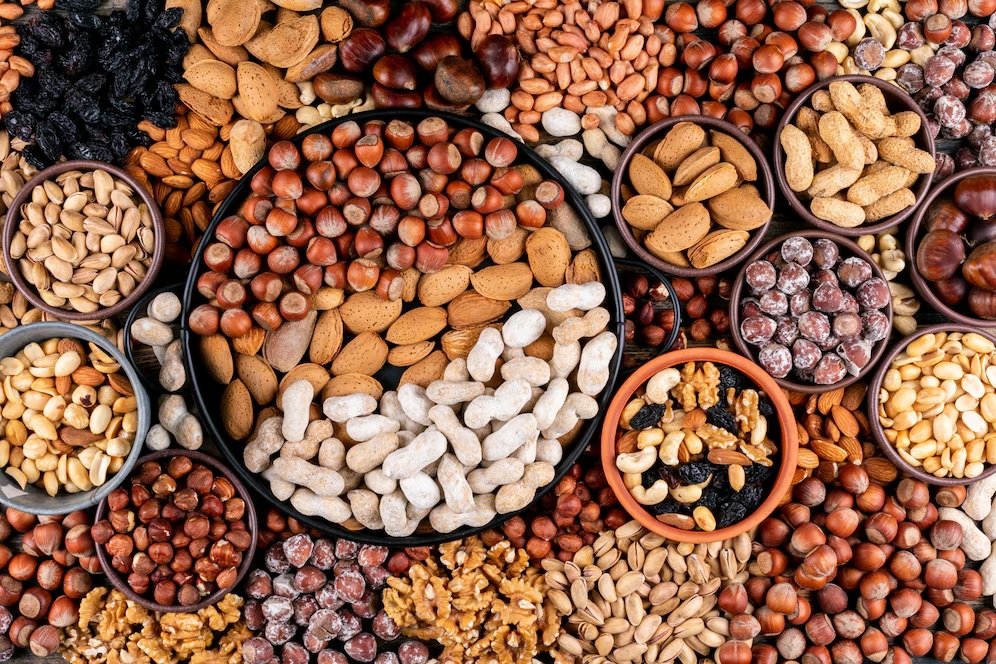
New Delhi. A leading organization, the Nuts and Dry Fruits Council (NDFC), has projected a 10-15 percent increase in domestic demand and consumption of dry fruits and nuts during the upcoming financial year.
Demand has been growing at this pace for the past few years. Notably, due to limited domestic production, dependence on imports of dry fruits has increased to nearly 80 percent.
According to the Council's president, the total annual demand in India for six major dry fruits – walnuts, pistachios, cashews, raisins, almonds, and dates – has reached 14.30 lakh tonnes, while domestic production is only around 3.80 lakh tonnes,
or about 27 percent. Dependence on imports has increased significantly. The government should make policy efforts to increase the production of dry fruits to reduce imports.
The NDFC president stated that dependence on imports for some dry fruits has reached nearly 100 percent because their production is either non-existent or negligible in the domestic market.
The expenditure on dry fruit imports is increasing year after year because, firstly, domestic demand and consumption are rising, and secondly, the rupee's exchange rate is weakening. Controlling imports is essential.
The Council president said that there is a need to broaden the sources of dry fruit imports so that importers can get better and cheaper options. Relying on only a few countries is not advisable.
Cheaper imports from new countries will keep dry fruit prices under control, and processing them in India will also create new employment opportunities.
According to the president, the Council will organize the third edition of 'Mewa India' in New Delhi. This annual exhibition and conference proves very useful for the nuts and dry fruits sector. A new theme – awareness – will also be included in the upcoming seminar.
The reduction in the GST rate on dry fruits from 12 percent to 5 percent is expected to significantly increase their demand and consumption. This could further increase dependence on imports.