
Dry weather in September-October badly affects saffron crop in Kashmir
13-Nov-2024 04:14 PM
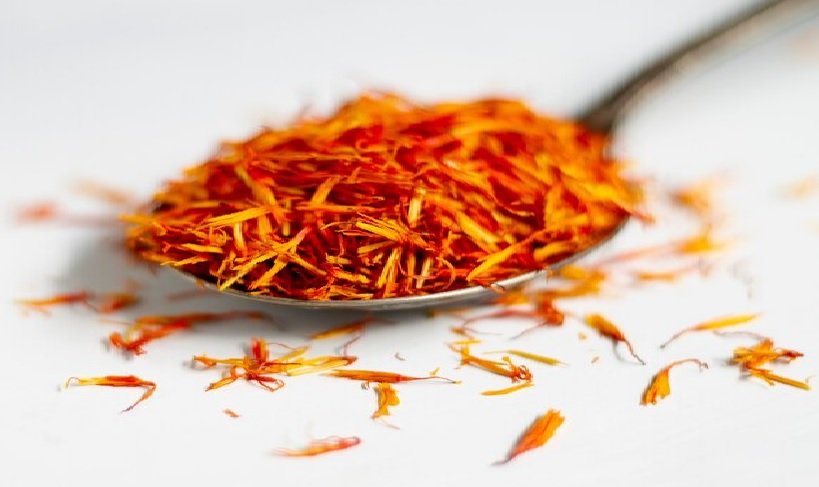
The dry and hot weather conditions in Jammu and Kashmir over the past two months have severely impacted the region's saffron crop, resulting in a predicted production decline of 40-50% compared to last year.
The lack of adequate rainfall during critical growing months—September and October—has damaged the crop, which typically requires good rains to thrive.
As a result, the cost of saffron production has skyrocketed, and its availability is expected to become increasingly difficult, driving prices to remain at high levels.
The situation has left many saffron farmers deeply concerned, with some even contemplating abandoning saffron cultivation in favor of other sources of income.
Experts suggest that the effects of global warming and climate change are increasingly visible in the region, further exacerbating the challenges faced by saffron producers.
Although the quality of Indian saffron is considered superior to that of its counterparts from Iran and Spain, local farmers are disheartened by the lack of effective marketing and government support, which has led to diminished enthusiasm for continuing cultivation.
Given that saffron is a critical source of livelihood for many in Kashmir, there is growing concern about the long-term viability of the crop. Experts have called for urgent government intervention, such as short-term compensation for affected farmers, to help them continue saffron cultivation in the coming years.
Without such support, the region may face an increased reliance on imported saffron in the future, further complicating the domestic market and putting additional pressure on local producers.
This situation highlights not only the immediate challenges of climate change and economic sustainability for farmers but also the need for stronger infrastructure and policy support to ensure the survival of one of Kashmir’s most iconic and valuable agricultural products.
Latest News
- Global Wheat Production Forecast to Fall Relative to Consumption
- उपयोग की तुलना में गेहूं का वैश्विक उत्पादन कम होने का अनुमान
- Global Grain Production Forecast Cut by 3 Million Tons
- खाद्यान्न के वैश्विक उत्पादन अनुमान में 30 लाख टन की कटौती
- REVISED WHEAT PROCUREMENT TARGET RABI 2026
- NCCF Initiates Procurement of Masoor (Lentils) in Bihar
- एनसीसीएफ द्वारा बिहार में मसूर की खरीदारी आरंभ
- Futures Trading in Black Pepper Likely to Begin on NCDEX Next Month
- एनसीडीईएक्स में अगले महीने से कालीमिर्च में वायदा कारोबार संभव
- Brazil's Exports of Sugar and Maize to Gulf Region Countries Hit