Home News
23-Oct-2026 03:54 PM
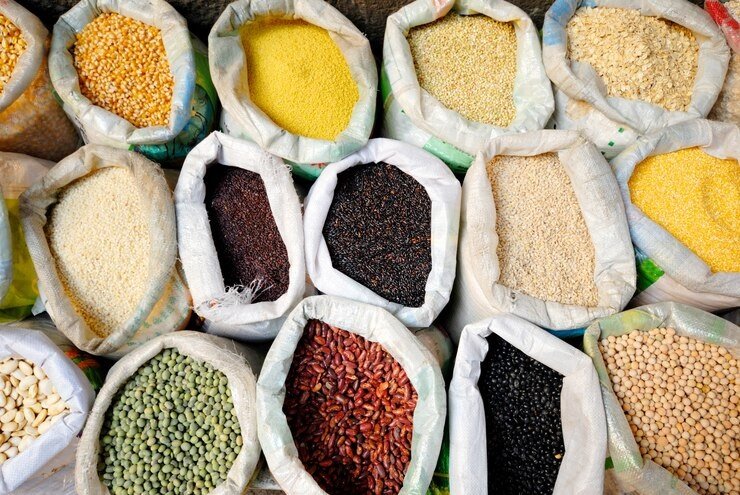
New Delhi. With the conclusion of the Navratri and Dussehra festivals, the focus of the commodity market has now shifted toward Diwali—a period that provides a strong commercial foundation for traders. In the run-up to Diwali, significant trading activity is expected,
particularly in commodities such as wheat, sugar, chickpeas (chana), dry fruits, and spices, which tends to drive up their prices. Similarly, the demand for and consumption of edible oils also see a substantial increase during this time.
These food products are currently witnessing robust trading, keeping prices firm. According to market analysts, the commodity sector is likely to remain highly active over the next two weeks.
Although the government is making every possible effort to control prices and enhance supply and availability, a softening in prices appears unlikely given the sharp surge in demand and consumption.
The government has released a record 'free-sale' quota of 3 million tonnes of sugar for October, reduced import duties on edible oils by 5–10 percent, and initiated the sale of wheat under the Open Market Sale Scheme (OMSS). However, the impact of these measures may only become apparent once the festive season has concluded.